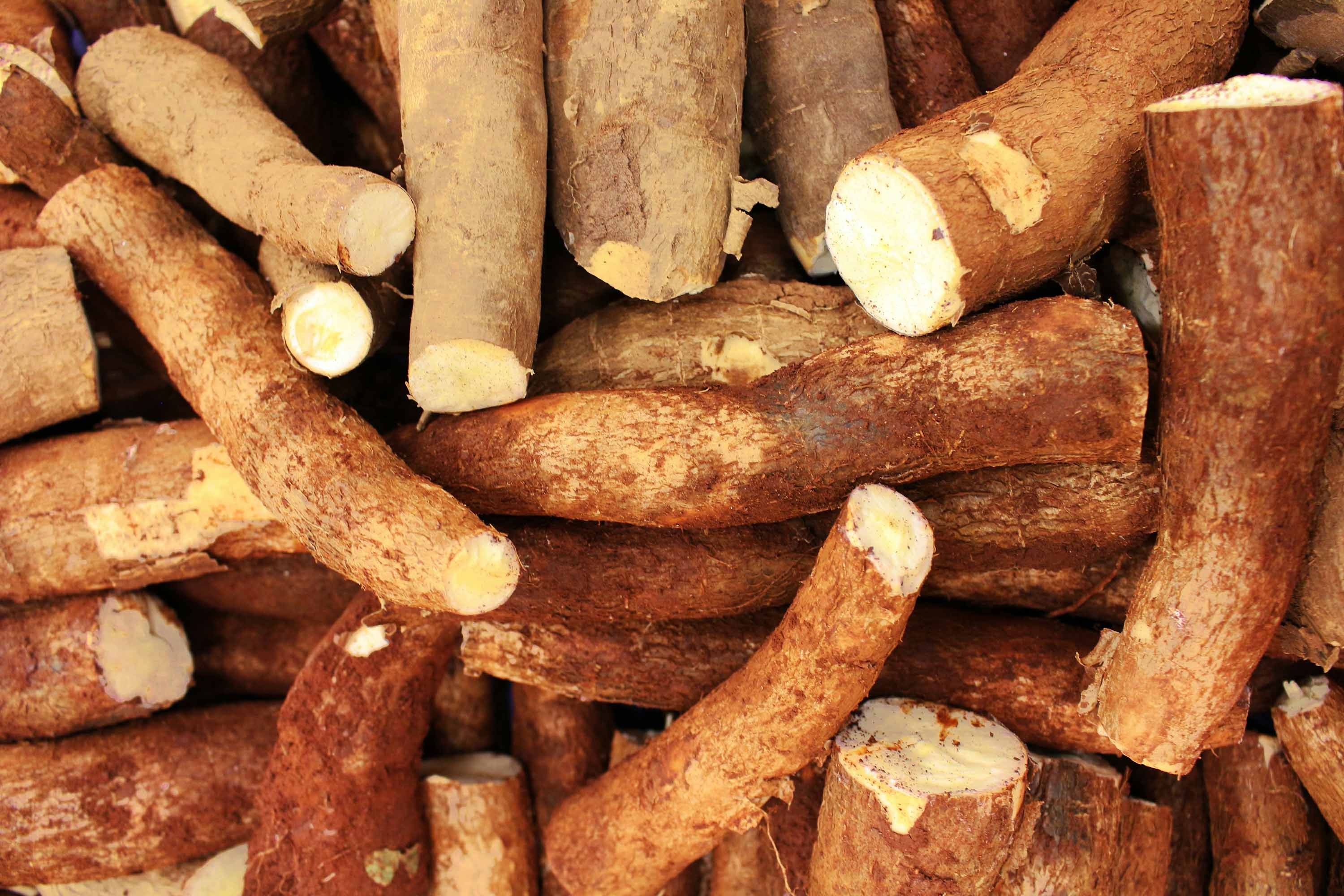
As weather patterns become more unpredictable, farmers are turning to crops that can withstand harsh conditions. Cassava is one such crop. It is drought-tolerant, resists pests and diseases, and grows even in poor soils. Its deep roots allow it to reach water and nutrients that other plants cannot.
Cassava is not only hardy but also valuable. Farmers can use it for food, animal feed, and even industrial products like starch, alcohol, glue, and paper. By-products like peels and waste can be composted or turned into biodegradable packaging, supporting sustainable farming.
Nutrition and Uses
The roots are rich in carbohydrates. Cassava can be eaten boiled, roasted, grated, or made into flour. Flour is versatile and it can be used to prepare ugali, bread, cakes, crisps, and even beverages. The leaves and roots can also feed animals if properly dried.
Safety Concerns: Cyanide in Cassava
Cassava contains natural chemicals called cyanogenic glycosides. When broken down, these release hydrogen cyanide, which can be toxic. Bitter cassava has higher cyanide levels than sweet varieties. Symptoms of poisoning include dizziness, vomiting, rapid heartbeat, and, in severe cases, paralysis or death. Long-term exposure can affect the thyroid, nerves, and even child development.
Making Cassava Safe
Proper processing removes harmful compounds. Methods include:
- Peeling and sun-drying for a few days
- Grating or grinding to promote breakdown of toxins
- Soaking and fermenting in water for several days
- Cooking thoroughly in boiling water before eating
Following these steps ensures cassava is safe to consume.
Tips for Consumers
- Always peel and cook cassava before eating.
- Avoid chewing raw roots.
- Diversify your diet with protein-rich foods to reduce cyanide risks.
- Buy cassava from trusted suppliers.
- Grow or buy low-cyanide varieties when possible.
What to Do in Case of Poisoning
Immediate medical attention is crucial. Hospitals use a cyanide antidote kit with medications that neutralize the toxin. Early treatment can save lives.
Cassava is more than a food crop. It is a resilient, versatile, and nutritious plant. When handled properly, it can be a safe source of food, income, and sustainable products for farmers everywhere.







Lorem ipsum dolor sit amet, consectetur adipiscing elit. Suspendisse varius enim in eros elementum tristique. Duis cursus, mi quis viverra ornare, eros dolor interdum nulla, ut commodo diam libero vitae erat. Aenean faucibus nibh et justo cursus id rutrum lorem imperdiet. Nunc ut sem vitae risus tristique posuere.