

Double Dug Beds Have Proven to Increase Yields in Dry Lands
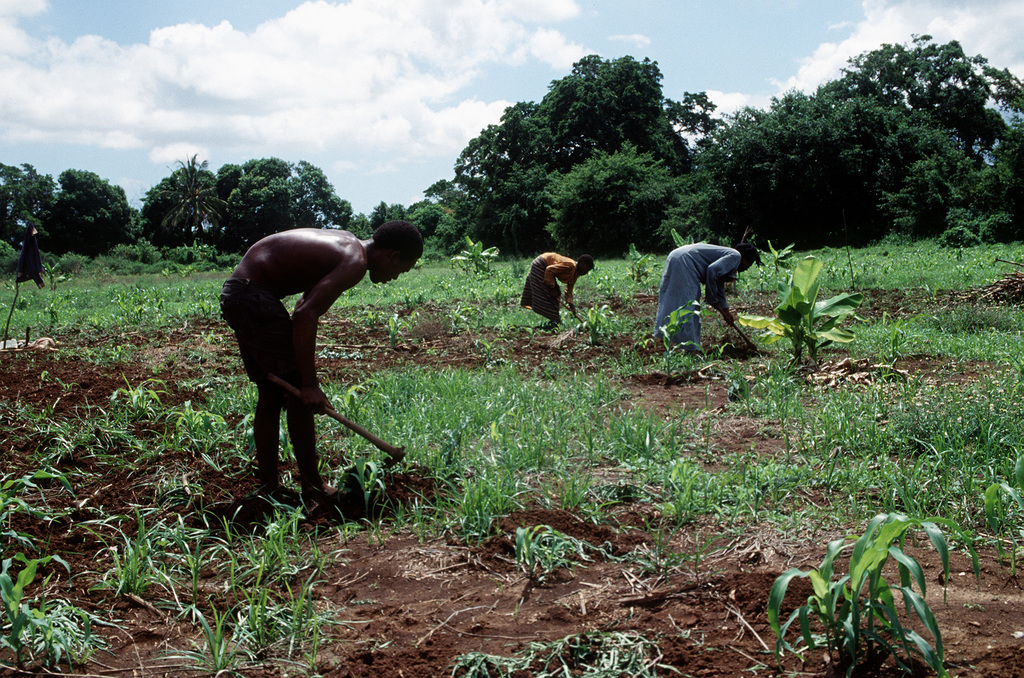
Semi-arid areas such as Ukambani face many challenges like low and unreliable rainfall leading to water shortage, high temperatures and declining soil fertility. This has led to frequent crop failures, and inadequate fodder for animals. Occasionally, there are cases of conflict between human and wild animals due to limited resources.
However, dry land farming does not mean low productivity. With right planting techniques farmers can have stable harvest through use of correct soil and water conservation measures. Dry land planting techniques can be achieved by observing water harvesting, building organic matter and addressing soil protection practices. One major technique that can immensely benefit farmers in the drylands is double dug beds.
How to Make Double Dug Beds
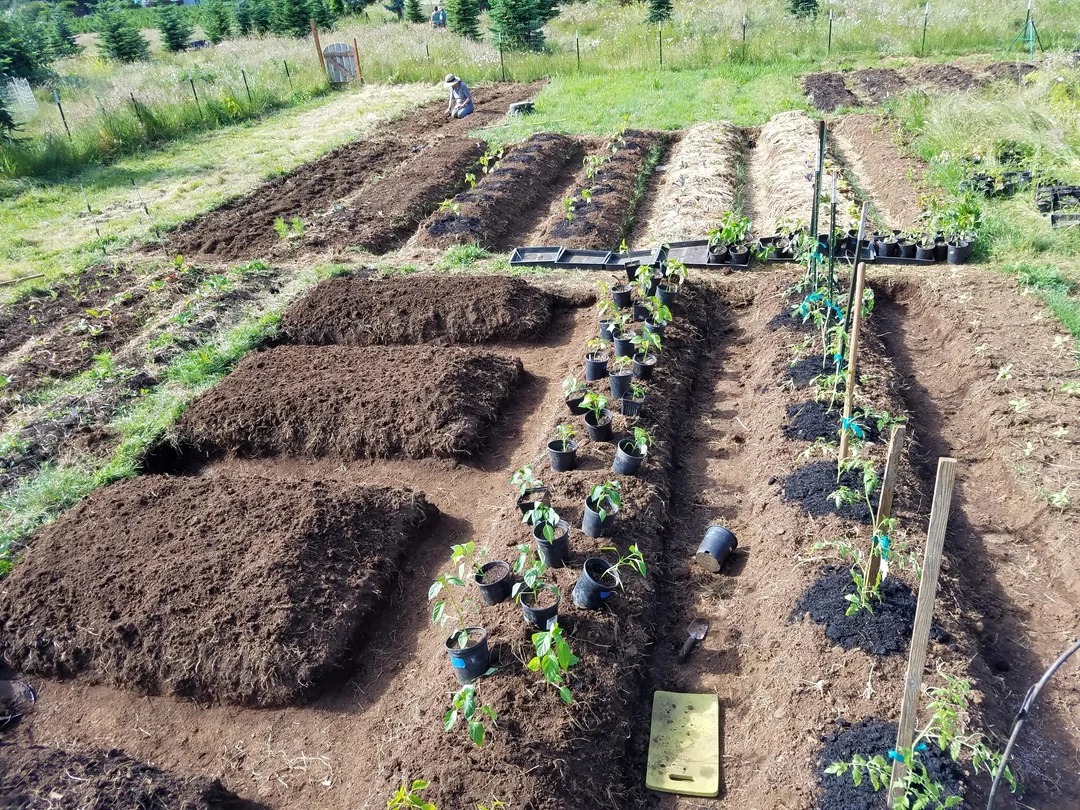
It’s an intensive gardening technique used to prepare soil to a depth of 2ft, which involves loosening two distinct layers of soil that is topsoil and the subsoil to create a highly aerated nutrient rich environment for plant roots.
A double-dug bed is prepared to improve soil structure and create ideal conditions for healthy plant growth. Begin by marking out the bed with a width of about 1 to 1.2 meters so that it can be worked on easily without stepping onto the soil. The length can be determined according to available space and need.
Start at one end of the bed by digging the first trench across its width. Remove the top soil to a depth of about 30 centimetres and a width of 30 centimetres, setting this soil aside or placing it in a wheelbarrow for later use. Once the top soil has been removed, loosen the subsoil beneath it to an additional depth of about 30 centimetres and incorporate manure to enrich it.
Next, dig a second trench of the same dimensions. Transfer the topsoil from this second trench into the first trench, covering the loosened subsoil. After that, loosen the newly exposed subsoil in the second trench to a depth of 30centimetres and mix in compost manure.
Continue this process along the length of the bed, moving from one trench to the next. Each time, place the topsoil from the new trench into the previous one and loosen the subsoil before adding compost. When you reach the final trench, use the soil that was set aside from the first trench to fill it.
Once all trenches are filled, level the bed so that it is slightly raised, about 15 to 20 centimetres above ground level. Spread compost manure evenly over the surface and water thoroughly before planting.
Preparing a double-dug bed offers several benefits. It improves water and soil conservation, enhances root development, and increases soil aeration and drainage, creating a fertile and well-structured growing environment.
Other Practices to Improve Yields
Timely Planting: Farmers should not plant after light showers, instead, they should plant immediately at the onset of the rains. This ensures good germination, better crop growth and efficient use of rainfall.
Crop and Variety Selection: Farming in drylands requires deliberate selection of crop varieties that will withstand the dry weather conditions. The most suitable are those with the following characteristics:
- Short-stem varieties with limited leaf surface minimize transpiration.
- Deep, prolific root systems enhance moisture utilization.
- Quick-maturing varieties.
Practice Cover Cropping, Mulching and Minimum Tillage – Planting of live crops which spread and cover the soil. Examples of such crops include; pumpkins, lablab, sweet potatoes, beans and cowpeas. Mulching controls weeds by reducing the amount of light reaching the soil, conserves water by reducing evaporation while improving soil organic matter as the mulch breaks down. Mulching reduces the need for deep tilling, as there are minimal weeds. When planting, open up the planting points only.
Total comments (--)
Let others know what you think

Lorem ipsum dolor sit amet, consectetur adipiscing elit. Suspendisse varius enim in eros elementum tristique. Duis cursus, mi quis viverra ornare, eros dolor interdum nulla, ut commodo diam libero vitae erat. Aenean faucibus nibh et justo cursus id rutrum lorem imperdiet. Nunc ut sem vitae risus tristique posuere.



Lorem ipsum dolor sit amet, consectetur adipiscing elit. Suspendisse varius enim in eros elementum tristique. Duis cursus, mi quis viverra ornare, eros dolor interdum nulla, ut commodo diam libero vitae erat. Aenean faucibus nibh et justo cursus id rutrum lorem imperdiet. Nunc ut sem vitae risus tristique posuere.