

Be Intentional About What You Eat, You have a Choice
Non-communicable diseases (NCDs) have become a significant health concern in Kenya, with a growing prevalence that is contributing to a substantial portion of morbidity and mortality. In 2019, NCDs accounted for 119,958 deaths, marking the highest number recorded since 2011, when there were 87,865 such deaths (statista.com).
The primary NCDs affecting the Kenyan population include cardiovascular diseases, cancers, chronic respiratory diseases and diabetes. The increasing trend of NCDs in Kenya is influenced by various factors, including unhealthy diet, inactivity, tobacco use and stress. Addressing this growing burden requires comprehensive strategies focusing on prevention, early detection, and management of NCDs, alongside promoting healthier lifestyles and improving access to health care services.
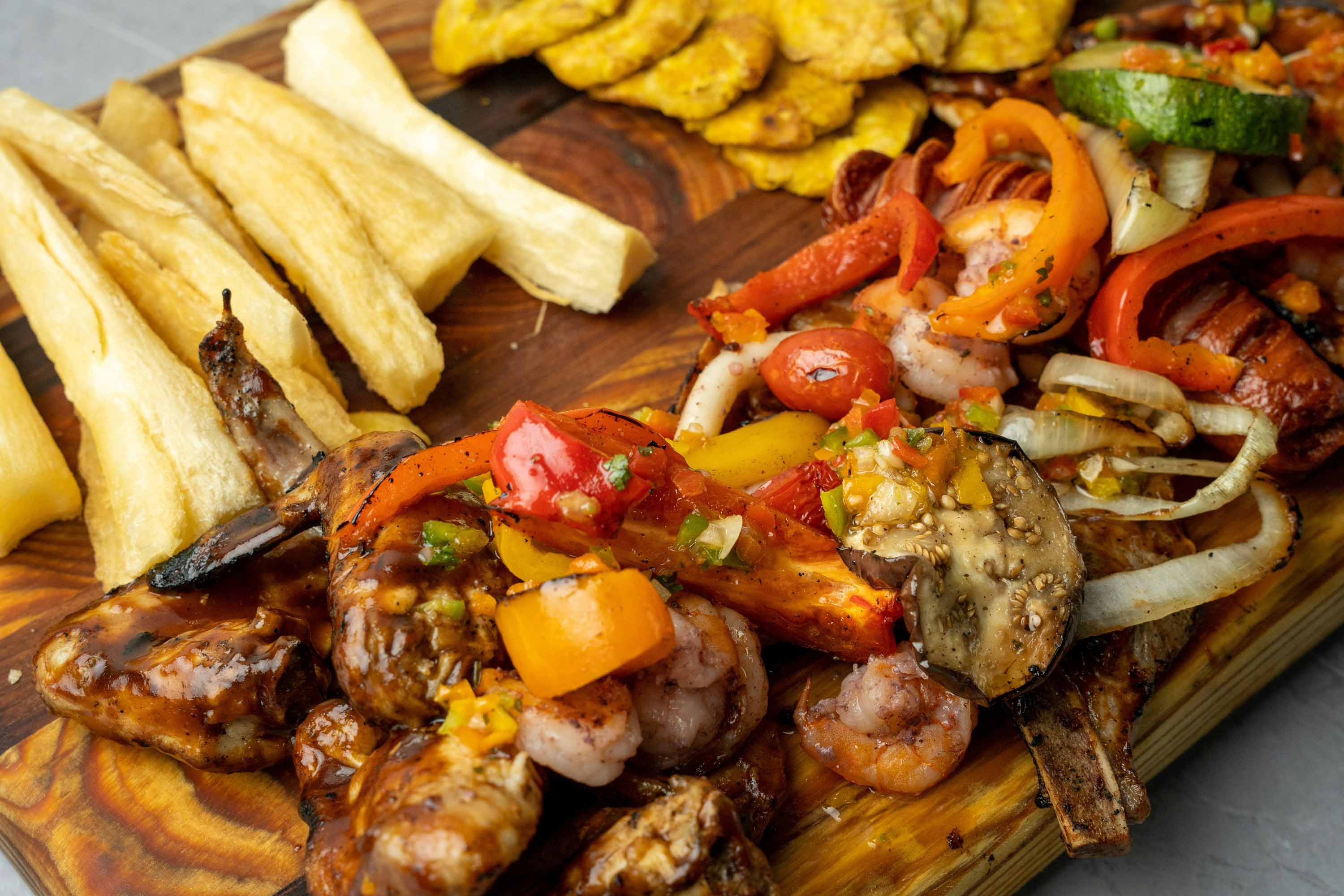
Good nutrition is one of the most effective strategies to mitigate NCDs. In Kenya, household scan create balanced, nutritious meals using locally available foods, ensuring affordability and accessibility. By incorporating diverse food groups and following smart meal planning strategies, families can enjoy a healthy diet that supports overall well-being.
Essential Food Groups and Their Benefits
Carbohydrates (energy providers). These foods provide the energy needed for daily activities, support brain function, and aid digestion when whole grains and fibre-rich options are included in the diet.
Sources: maize (in the form of grain, ugali, porridge), sweet potatoes, arrowroots, cassava, millet, sorghum, and bananas.
Proteins (body-building foods). They help in muscle repair, enzyme production, and boosting immunity. Combining plant-based proteins, such as beans and maize (githeri), enhances their nutritional value.
Animal Sources: Eggs, fish, chicken, beef, goat meat, milk, and fermented dairy products (mala, yogurt).
Plant Sources: Beans, lentils, green grams, cowpeas, peanuts, and soybeans.
Vitamins and Minerals (protective foods). These foods strengthen the immune system, improve digestion, and support skin, vision, and bone health. Eating a variety ensures the intake of essential micro nutrients. Sources include:
Vegetables: Kale, spinach, cow pea leaves, amaranth (terere), pumpkin leaves, black nightshade (manage), and cabbage.
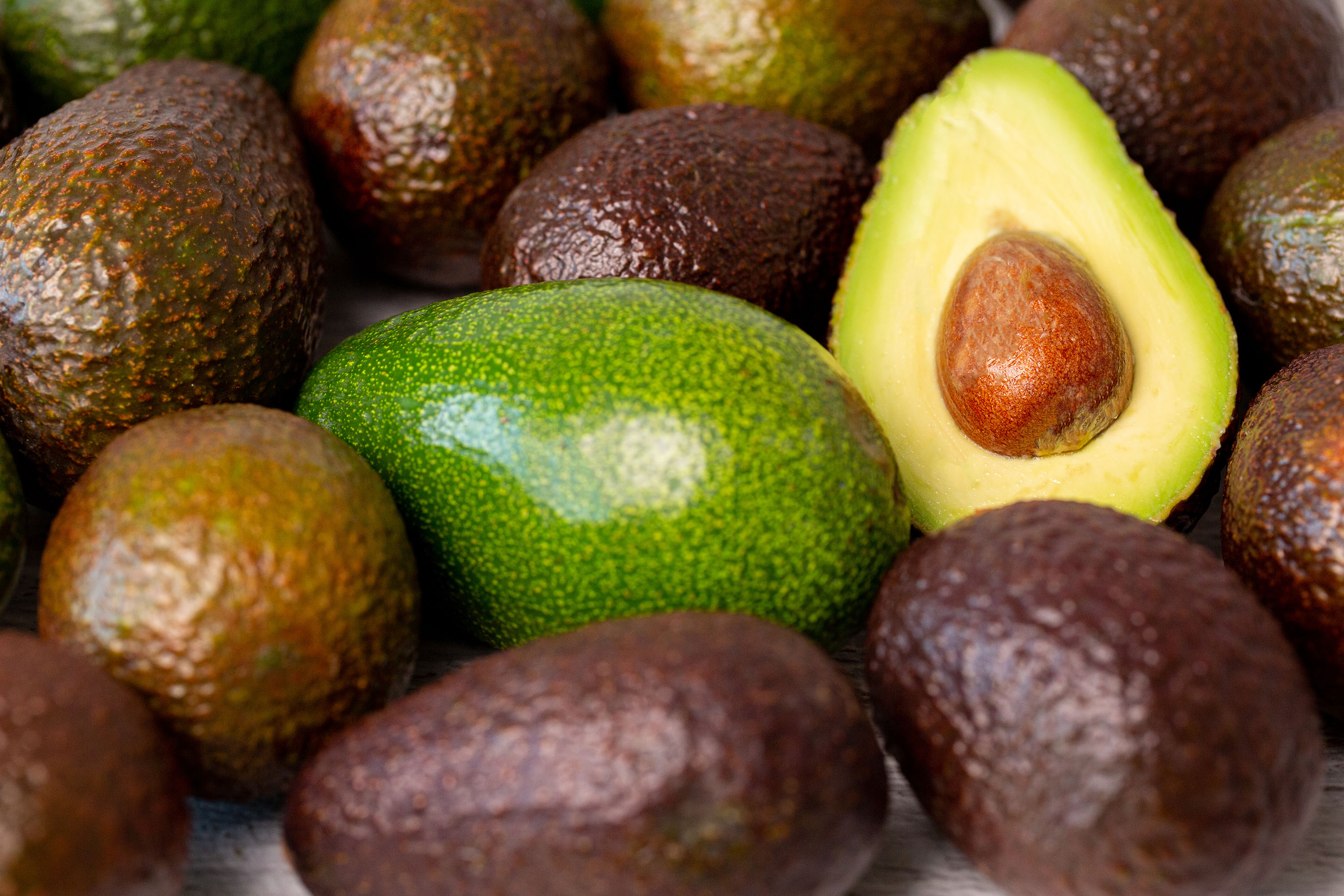
Fruits: Mangoes, pawpaws, oranges, avocados, pineapples, guavas, and bananas.
Herbs and spices: ginger, garlic, cinnamon, cardamom, sage, rosemary, basil, thyme.
Healthy Fats (energy and cell function). They support brain function, hormone production, and heart health while reducing inflammation. Sources include:
Avocados, groundnuts, simsim (sesame seeds), coconut, and oils from sunflower, canola, and olive.
Fibre and Hydration (digestion and detoxification). Fibre aids digestion, prevents constipation, and helps regulate blood sugar levels. Drinking enough water, herbal teas, and fresh fruit juices enhances hydration and detoxification. Sources include:
Whole grains, vegetables, fruits, nuts, seeds, and legumes.
Tips for Eating Healthy on a Budget
- Use foods in season. Fruits and vegetables are cheaper and more nutritious when in season. For example, mangoes and watermelons are more affordable during their peak season.
- Buy in bulk – Purchasing grains, legumes, and cereals in bulk saves money and ensures a steady supply of nutritious ingredients.
- Good storage – Drying vegetables like managu, fermenting milk(mala), and sun-drying fish or omena ensures availability during off-seasons.
- Grow your own – Households can start small kitchen gardens with sukuma wiki, spinach, onions, tomatoes, herbs and spices to cut costs and enhance food security.
- Minimize food waste – Use leftover food creatively. For example, overripe bananas can be used to make pancakes, and vegetable peels can be used in soups.
Conclusion
In Kenya, households can create balanced, nutritious meals using locally available foods while keeping costs manageable. Tackling diet and nutrition as a key risk factor of NCDs will therefore not only save lives, it will also provide a huge boost for the economic development of countries.
It is important to note that diet and nutrition is not a magic bullet for health. It is important to take a holistic approach to health and prevention of NCDs. Factors such as gut health, stress and sleep quality will affect how the food you eat is utilised by the body. Gut health refers to the good bacteria in the digestive system that supports digestion. Feed your gut bacteria with fermented foods. Stress raises the body’s metabolic needs and increases the use and excretion of many nutrients, making them unavailable to the body. Repair, rest and rejuvenation happens when we sleep so it is important to prioritize sleep, ensuring you get 7 – 9 hours of sleep.
Call to Action
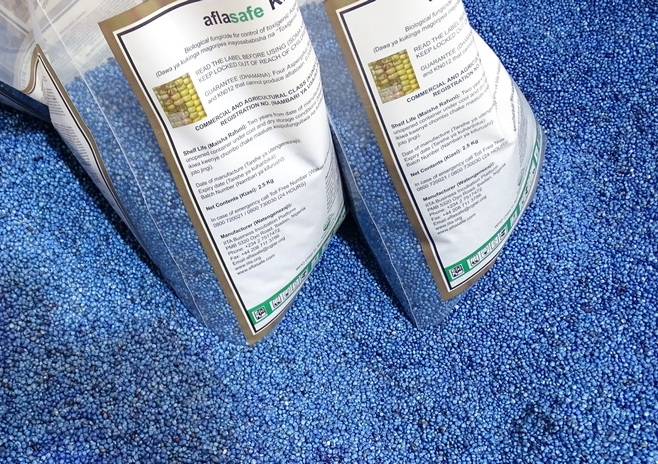
Take a step today towards a healthier diet by planning your next meal using at least three locally available food groups. As much as possible ensure the food is organically grown to avoid the added danger of chemical pesticides in food. Visit your nearest market, choose fresh and seasonal produce, and try a new nutritious recipe this week. Small changes in your daily meals can make a big difference in your health and well-being.
Additionally invest in growing your own vegetables, herbs and spices. This can be done in a kitchen garden, sack garden and even in flower pots. Be intentional about sleep, rest and dealing with stress.
Total comments (--)
Let others know what you think

Lorem ipsum dolor sit amet, consectetur adipiscing elit. Suspendisse varius enim in eros elementum tristique. Duis cursus, mi quis viverra ornare, eros dolor interdum nulla, ut commodo diam libero vitae erat. Aenean faucibus nibh et justo cursus id rutrum lorem imperdiet. Nunc ut sem vitae risus tristique posuere.


Lorem ipsum dolor sit amet, consectetur adipiscing elit. Suspendisse varius enim in eros elementum tristique. Duis cursus, mi quis viverra ornare, eros dolor interdum nulla, ut commodo diam libero vitae erat. Aenean faucibus nibh et justo cursus id rutrum lorem imperdiet. Nunc ut sem vitae risus tristique posuere.