

Enterprise Development for Dried Farm Produce

Across many farming communities, post-harvest loss remains one of the biggest barriers to profitability. Fruits spoil in peak seasons, vegetables flood local markets and lose value, and farmers are often forced to sell at low prices. Drying farm produce offers a practical and scalable solution transforming perishable goods into shelf-stable, marketable products while opening new income streams. At its core, enterprise development for dried produce is about moving from raw production to value-added agribusiness.
Why Drying Matters
Drying extends the shelf life of produce from days to months, sometimes even years. Mangoes, bananas, leafy vegetables, herbs, and even fish can be dried and stored
without refrigeration. This reduces waste significantly and allows farmers to sell beyond the harvest window, when prices are often higher.
More importantly, dried products tap into growing markets. Urban consumers are increasingly seeking healthy snacks, natural ingredients, and convenient food options.
Dried fruits, vegetable powders, and herbal teas align well with these trends, making them attractive products for both local and export markets.
From Farmer to Entrepreneur
Developing an enterprise around dried produce requires a shift in mindset. Farmers are no longer just producers, they become processors, brand owners, and market players. The process typically begins with identifying suitable crops. Not all produce dries well or retains market value after processing. Fruits like mangoes and pineapples, vegetables like kale and spinach, and herbs such as lemongrass or moringa are strong candidates due to their flavor, nutritional value, and demand. Once the product is selected, the next step is choosing a drying method. Traditional sun
drying is widely used because it is low-cost, but it can be inconsistent and prone to contamination. Improved methods such as solar dryers or dehydrators offer better quality control, faster drying times, and more hygienic conditions, key factors for accessing premium markets.
Quality as a Market Driver
In dried produce enterprises, quality determines profitability. Color, taste, texture, and cleanliness all influence whether a product can compete in higher-value markets.
Maintaining quality starts at harvest. Produce must be fresh, properly handled, and sorted before drying. During processing, consistent temperatures and proper airflow are essential to prevent spoilage or nutrient loss. After drying, packaging plays a critical role, protecting the product from moisture while also making it visually appealing to consumers. Meeting basic food safety standards is also essential, particularly for formal retail or export markets. This may involve certification, proper labeling, and adherence to hygiene protocols.
Building Market Linkages
Even the best product will struggle without a clear route to market. Successful dried produce enterprises invest time in understanding who their customers are and what
they want. Local markets may include supermarkets, health food stores, schools, and hospitality businesses. There is also growing demand through online platforms and direct-to-consumer sales. For larger-scale operations, export markets can offer higher returns, but they also require stricter quality standards and certification.
Farmer groups and cooperatives often play a critical role here. By aggregating produce and sharing processing facilities, they can achieve the volumes and consistency needed to supply larger buyers.
Financing and Scaling the Enterprise
Starting a dried produce business does not always require large capital, but scaling it does. Initial investments may include drying equipment, packaging materials, and basic storage facilities. Access to finance through savings groups, microfinance institutions, or grants can help entrepreneurs upgrade their operations. As business grows, investments in branding, certification, and distribution become increasingly important. Scaling should be gradual and market driven. Expanding production without secure buyers can lead to losses, while steady growth aligned with demand builds a more resilient enterprise.
Challenges to Navigate
Despite its potential, dried produce enterprise development comes with challenges.
These include:
- Inconsistent supply of raw materials due to seasonality
- Limited technical knowledge on proper drying techniques
- High cost of quality packaging materials
- Barriers to certification and formal markets
Addressing these challenges often requires training, partnerships, and supportive policies that enable small-scale entrepreneurs to compete effectively.
As food systems evolve, dried farm produce sits at the intersection of sustainability, nutrition, and enterprise. It reduces waste, creates jobs, and delivers convenient,nutrient-rich products to consumers. Dried produce enterprises give farmers control over pricing, timing, and market access.
Total comments (--)
Let others know what you think

Lorem ipsum dolor sit amet, consectetur adipiscing elit. Suspendisse varius enim in eros elementum tristique. Duis cursus, mi quis viverra ornare, eros dolor interdum nulla, ut commodo diam libero vitae erat. Aenean faucibus nibh et justo cursus id rutrum lorem imperdiet. Nunc ut sem vitae risus tristique posuere.
The Same Author
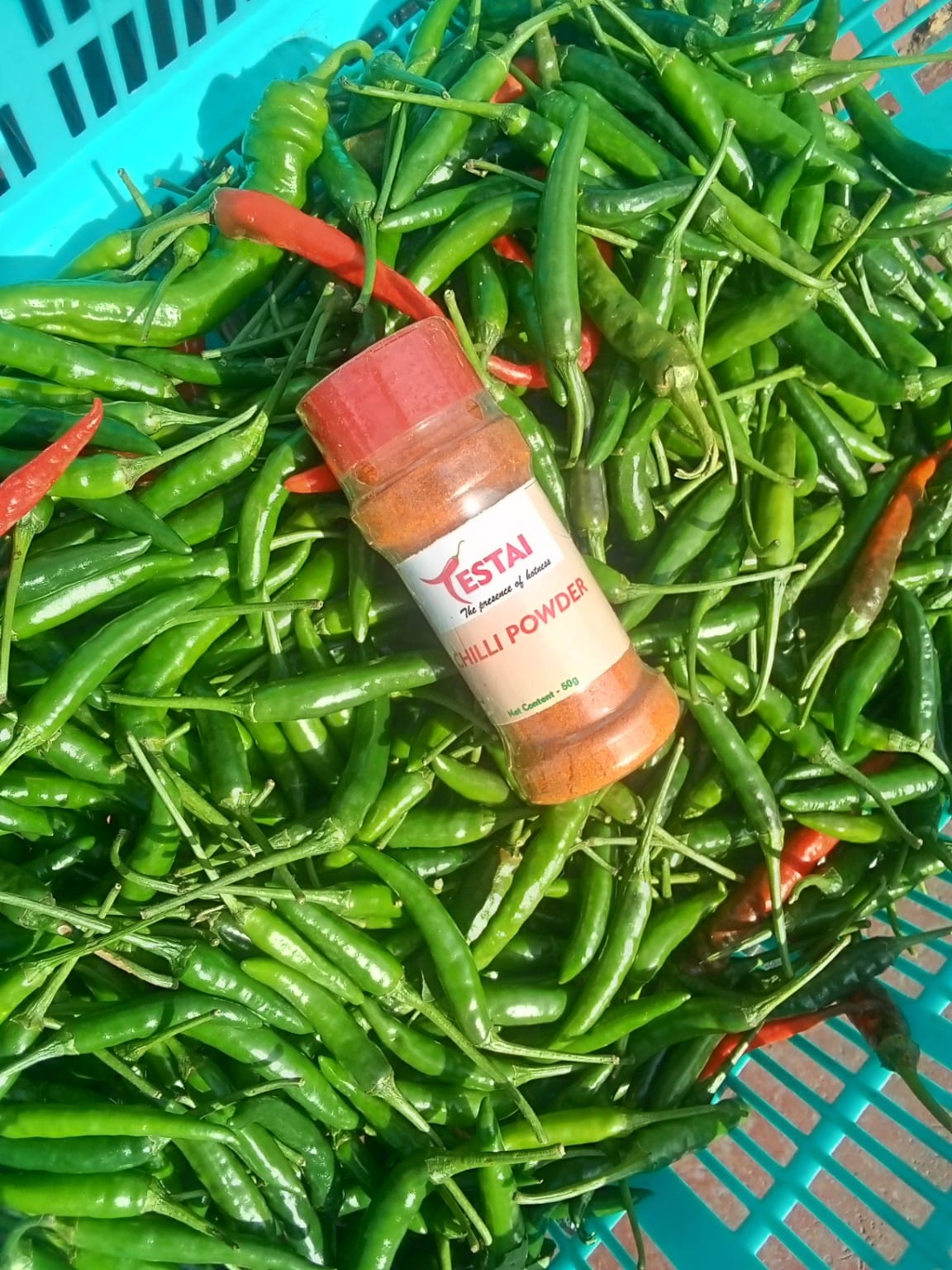
Chilli Farmers in Bomet County of Kenya Turn a Challenge into a Lucrative Opportunity

Busia Couple Taps into the growing market for Bokashi Fertilizer

3KM Members Demonstrate Strength in Numbers Through Aggregation and Value Addition

How to Make Bokashi Manure - A Simple Guide to Fermented Organic Fertilizer
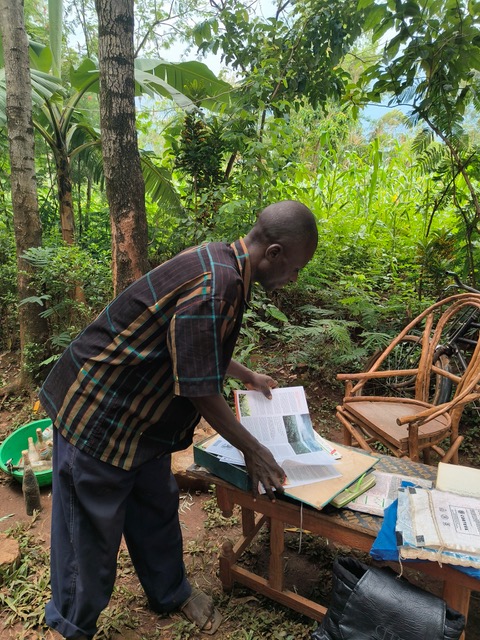
TOF Magazine Reader Unlocks a World of Abundance Through Innovative Farming
Lorem ipsum dolor sit amet, consectetur adipiscing elit. Suspendisse varius enim in eros elementum tristique. Duis cursus, mi quis viverra ornare, eros dolor interdum nulla, ut commodo diam libero vitae erat. Aenean faucibus nibh et justo cursus id rutrum lorem imperdiet. Nunc ut sem vitae risus tristique posuere.