Long before synthetic pesticides became common, farmers relied on knowledge passed down through generations to protect their crops. This indigenous knowledge, rooted in close observation of nature,is still relevant today especially for smallholder vegetable farmers looking for safe, affordable, and effective ways to control pests. Plant extracts made from locally available materials have helped farmers manage insects while keeping food and the environment safe.
Many of these plant based solutions are prepared using simple methods and ingredients found around the homestead. Neemleaves and seeds, for example, are widely known for their ability to repel andreduce pests such as aphids, whiteflies, and caterpillars. Farmers crush theleaves or seeds, soak them in water, and spray the mixture on vegetables. Neemdoes not kill all insects instantly, but it interferes with feeding and reproduction, which helps keep pest populations under control.
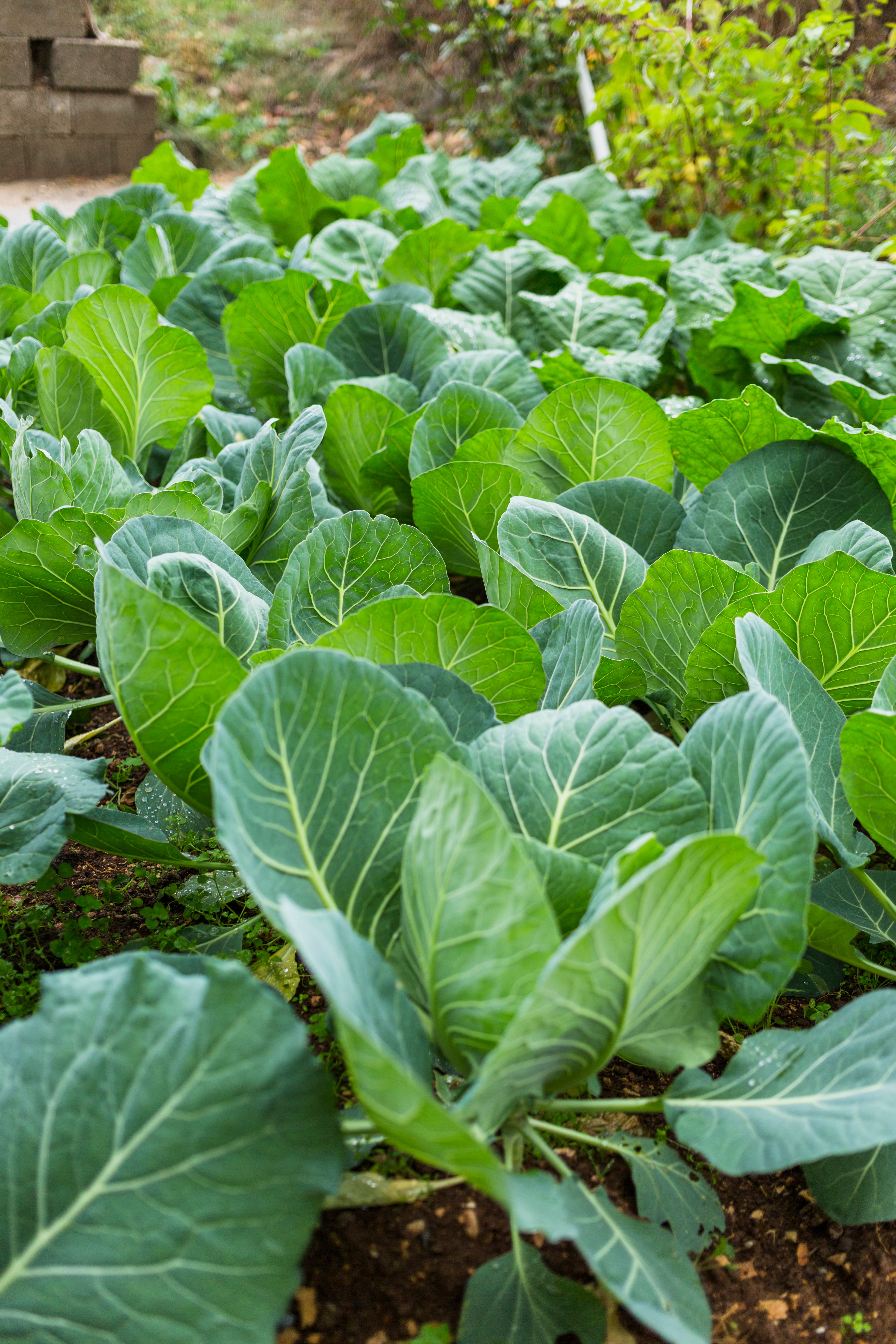
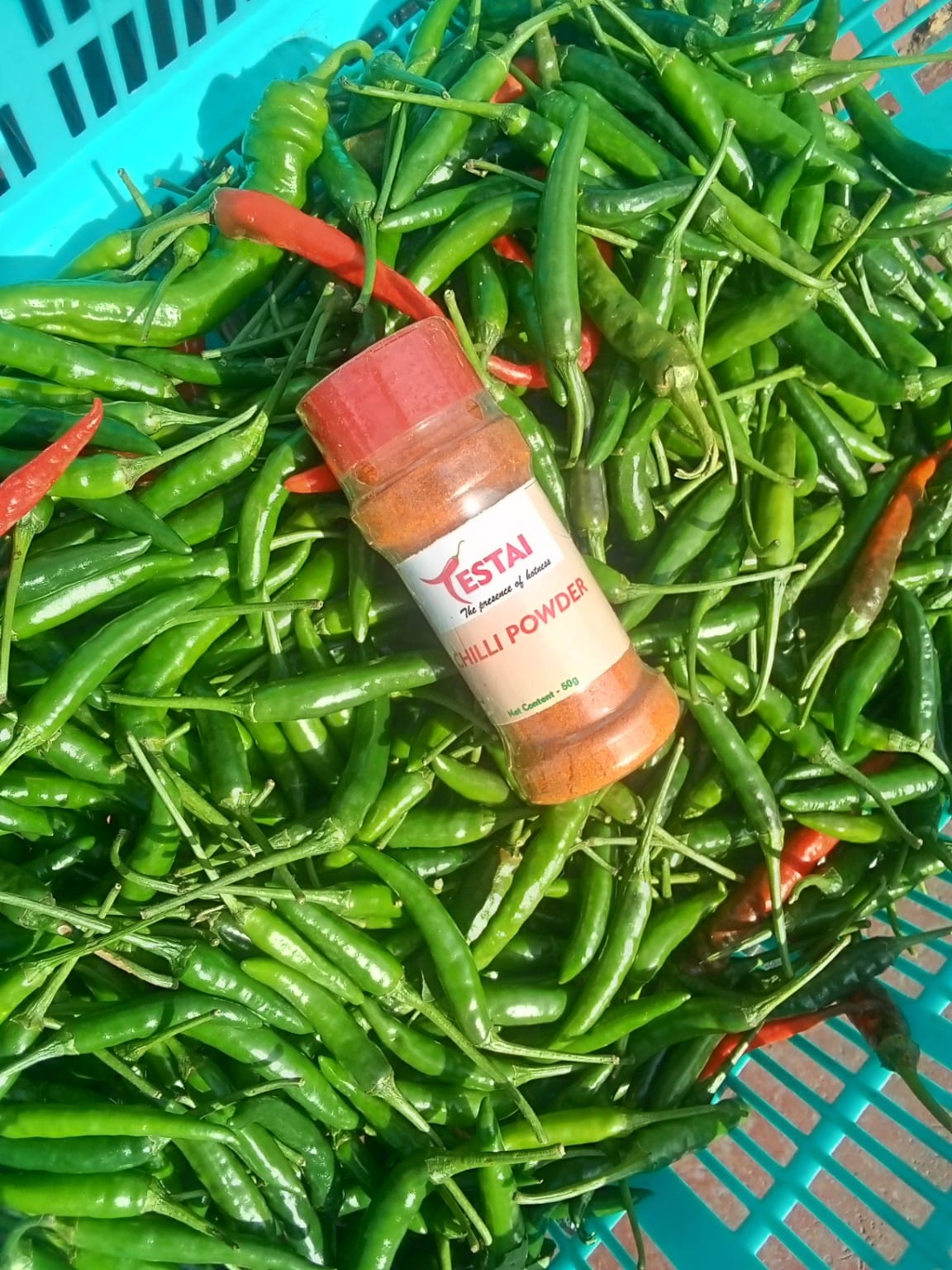
Chilli and garlic are also commonly used in vegetable gardens. When crushed and mixed with water, they produce astrong-smelling solution that deters pests like thrips, beetles, andcaterpillars. The sharp taste and smell make plants less attractive to insects.Some farmers add a little soap to help the mixture stick to the leaves,especially on crops like kale, cabbage, and tomatoes.
Another plant often used is Mexicanmarigold (Tagetes minuta). Its leaves have a strong scent that repels many insects.Farmers prepare an extract by pounding the leaves and soaking them in water fora day, then straining and spraying the liquid on vegetables. Others plantmarigold around their vegetable plots to reduce pest pressure naturally.
Ash and aloe vera are also part of traditional pest control practices. Wood ash, when dusted lightly on leaves or around the base of plants, helps control soft-bodied insects such as aphids and slugs.
One important aspect of using plant extracts is timing and consistency. These remedies work best when appliedearly, before pests spread widely. Farmers often spray in the morning orevening to avoid strong sunlight, which can reduce effectiveness. Because plant extracts break down quickly, regular application is needed, especially after rain.
Indigenous pest control methods reducereliance on expensive chemical pesticides, lower production costs, and protectbeneficial insects like bees and ladybirds. Vegetables produced using thesemethods are also safe for consumption.
While plant extracts may not completelyeliminate pests, they help farmers keep damage at manageable levels. Combined with good practices such as crop rotation, inter cropping, and proper field hygiene, plant extracts provide a reliable solution to pests.





Lorem ipsum dolor sit amet, consectetur adipiscing elit. Suspendisse varius enim in eros elementum tristique. Duis cursus, mi quis viverra ornare, eros dolor interdum nulla, ut commodo diam libero vitae erat. Aenean faucibus nibh et justo cursus id rutrum lorem imperdiet. Nunc ut sem vitae risus tristique posuere.