Bokashi manure is an organic fertilizer made through the fermentation of organic materials. The term "bokashi" originates from Japan and refers to fermented organic matter. Unlike conventional composting, bokashi relies on a controlled fermentation process that takes about two weeks, producing a nutrient-rich soil amendment that enhances soil fertility and crop performance.
Bokashi is made using locally available organic materials, making it an affordable and environmentally friendly alternative to synthetic fertilizers. Farmers can prepare it using livestock manure, poultry droppings, charcoal dust, bran, rock dust or wood ash, rice husks, molasses, and yeast. Additional organic materials such as kitchen waste can also be incorporated to enrich the final product.
Each ingredient plays a specific role in the fermentation process and soil improvement. Livestock and poultry manure provide essential nutrients for plant growth. Charcoal dust contributes carbon, which improves soil aeration and porosity, helps regulate soil temperature, and absorbs harmful pathogens. Rock dust supplies important minerals needed by crops, while wood ash can be used as an alternative to reduce soil acidity. Rice husks increase silicon levels in the soil, strengthening plant tissues and enhancing crop resilience. Where rice husks are unavailable, farmers can substitute them with chopped stalks from maize, sorghum, millet, wheat, or other locally available crop residues.
Molasses serve as an energy source for beneficial microorganisms that break down organic matter during fermentation. Yeast acts as a catalyst that accelerates the fermentation process. In situations where yeast is unavailable, virgin soil collected from a naturally forested area can be used because it contains abundant beneficial microorganisms.
Preparing bokashi begins by layering farmyard manure, charcoal dust, and bran. Separately, water is mixed with molasses and yeast to create a liquid solution. This mixture is then sprinkled over the heap while thoroughly turning the materials to ensure uniform distribution.
The moisture content of the mixture is critical. A simple test can be used to determine the correct consistency. When a handful of the material is squeezed, it should form a ball without crumbling or releasing excess liquid. If the material falls apart, it is too dry and requires additional moisture. If water drips out, it is too wet and should be aerated or mixed with dry materials.
As fermentation progresses, the temperature of the heap rises, indicating active microbial activity. Bokashi fertilizer should be turned twice daily, preferably in the morning and evening. Regular turning ensures proper aeration and uniform fermentation throughout the heap.
After fourteen days, the fermentation process is complete and the bokashi is ready for use. However, because the materials are only partially broken down, the manure should not be placed in direct contact with seeds or plant roots as it may cause scorching. Instead, it should be incorporated into the soil before planting. For example, when planting maize, bokashi can be placed in the planting hole and covered with a layer of soil before sowing the seeds.
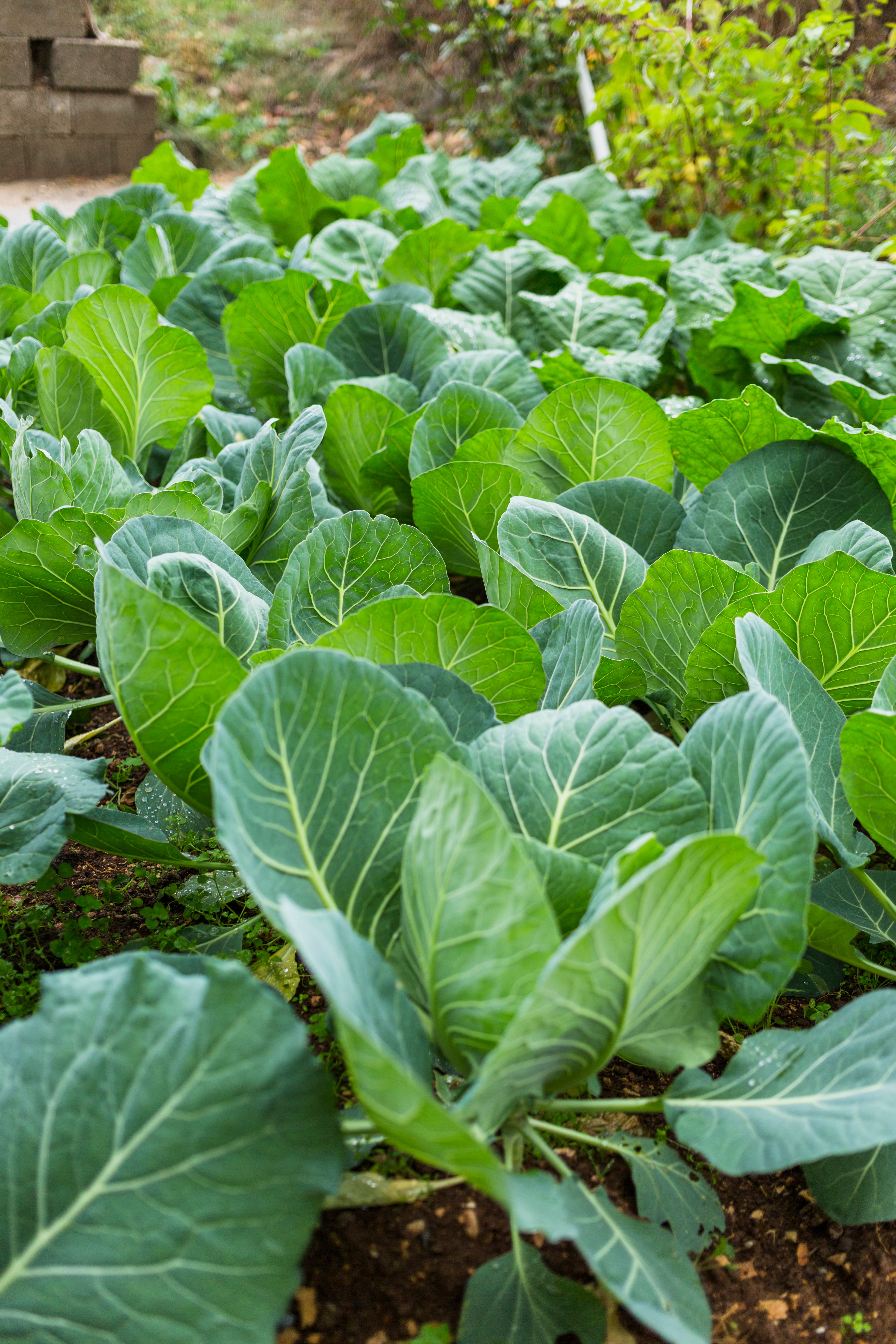
The use of bokashi manure offers numerous benefits to farmers. Crops grown with bokashi often exhibit improved resistance to pests and diseases, greater tolerance to drought, and enhanced nutrient uptake. Bokashi also increases the soil's ability to retain water, promotes faster crop maturity, and contributes to better taste and nutritional quality of harvested produce. Most importantly, regular application improves overall soil health by increasing biological activity and restoring soil fertility.
With its reliance on locally available materials and its ability to improve crop productivity while reducing dependence on chemical fertilizers, bokashi manure presents a practical and sustainable solution for farmers seeking to build healthy soils and resilient farming systems.









Lorem ipsum dolor sit amet, consectetur adipiscing elit. Suspendisse varius enim in eros elementum tristique. Duis cursus, mi quis viverra ornare, eros dolor interdum nulla, ut commodo diam libero vitae erat. Aenean faucibus nibh et justo cursus id rutrum lorem imperdiet. Nunc ut sem vitae risus tristique posuere.