Land preparation is a key part of the planting season. Some of the key practices that can make a difference in yields are early planting, and minimum tillage. As a farmer, avoid tilling methods that cause heavy disturbance on the soil. Minimum tillage is a farming approach that disturbs the soil as little as possible while still preparing it for planting. Instead of deep, aggressive plowing that turns the entire soil profile upside down, minimum tillage uses shallow cultivation, strip tillage,or direct planting method. The goal is to maintain soil structure whilecreating just enough disturbance to establish crops successfully.
Firstly, aggressive tillage destroys the natural aggregates that give soil its crumblytexture. Without these structures, soil becomes prone to erosion and loses itsability to hold nutrients and water.
Secondly, excessive tillage kills earthworms and disrupts other soil living organismsthat naturally improve soil health and fertility. It also, makes it difficult for earthworms to move and thrive in the soil.
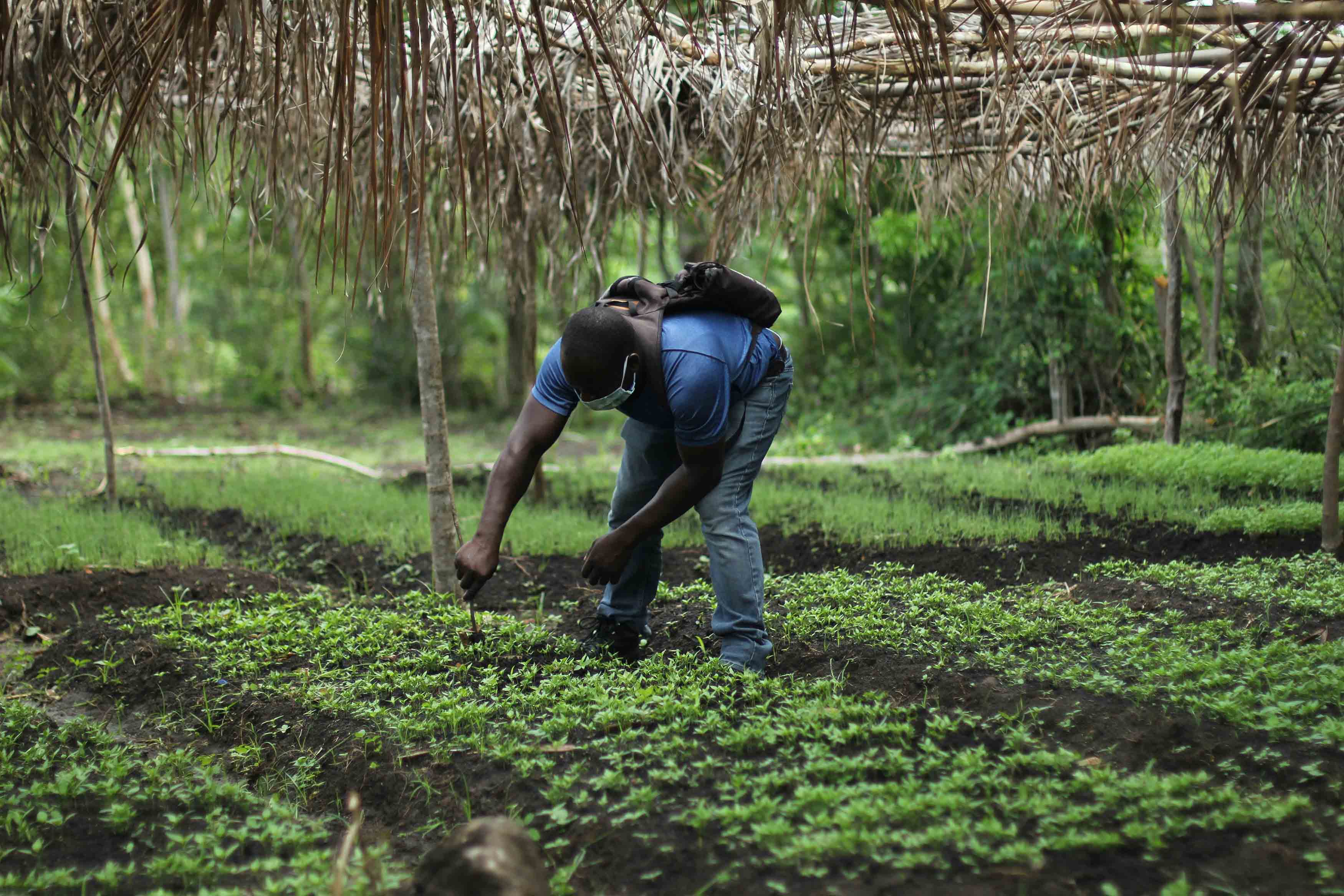
It is advisable to use hand-held hoe to till your small piece of land where necessary, to ensure that there is minimum disturbance to the soil. This is effective for small scale farms.
Till your land only when moisture conditions are right, not too wet or too dry. When tilling the soil should crumble in your hand, not form mud balls or dust.
Where possible, employ strip tillage by tilling only narrow strips where you'll plantseeds, leaving the majority of soil undisturbed. And lastly, plant cover crops during off-seasons to naturally break up compacted layers with their roots while adding organic matter. Crops such as pumpkins with fibrous roots do not require deeper entry to the soil, they improve the soil structure by holding moistureon the ground ensuring hard pans loosen over time.
This planting season, try minimum tillage, to make the most of the soil.








Lorem ipsum dolor sit amet, consectetur adipiscing elit. Suspendisse varius enim in eros elementum tristique. Duis cursus, mi quis viverra ornare, eros dolor interdum nulla, ut commodo diam libero vitae erat. Aenean faucibus nibh et justo cursus id rutrum lorem imperdiet. Nunc ut sem vitae risus tristique posuere.