

The Forgotten Asset on the Farm - Why Ethical Treatment of Workers Determines Agricultural Success
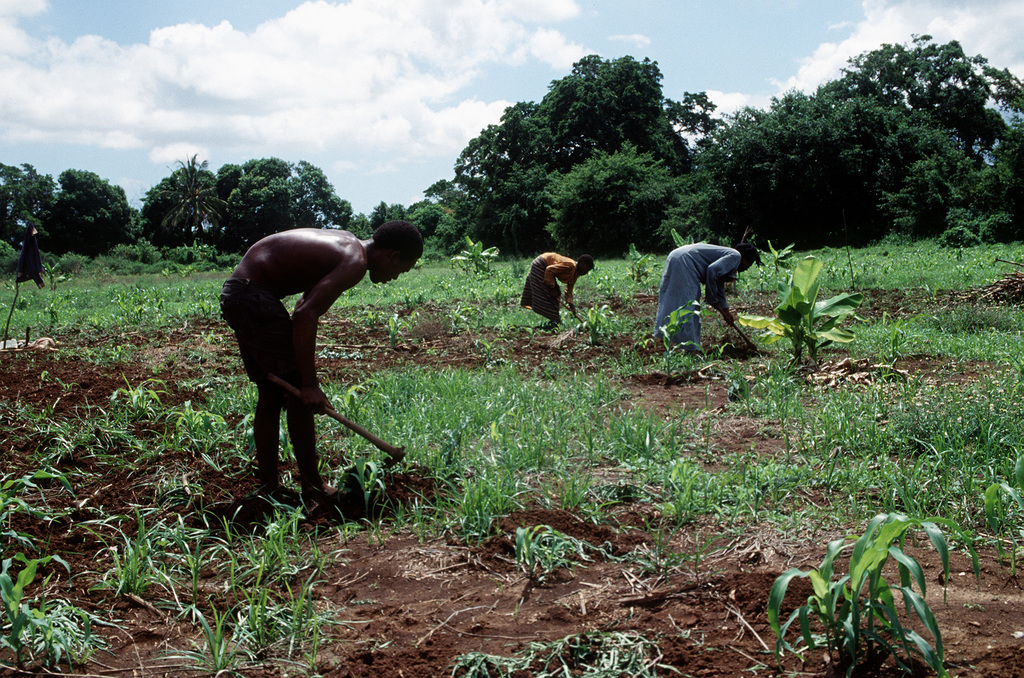
Farmers often invest heavily in quality seeds, high-yielding livestock, fertilizers, machinery, and modern infrastructure. Yet one of the most important assets on any farm is frequently overlooked, the people whose labour keeps the enterprise running.
Across agricultural value chains, labour remains a critical factor of production. Without dedicated workers, crops would not be planted, livestock would not be cared for, and produce would never reach the market. Yet despite their central role, farm workers are often among the least valued and least protected contributors to agricultural success.
The consequences are becoming increasingly visible. Labour is becoming scarce and expensive, while many young people are turning away from agriculture in search of opportunities elsewhere. On many farms, the burden of labour falls on ageing workers, even as the sector struggles to attract skilled and energetic youth.
The irony is hard to ignore. Agriculture remains one of the largest employers and a key pillar of food security, yet many workers continue to face poor working conditions, inadequate pay, and limited recognition for their contribution.
A productive farm begins with ethical labour management. This starts with fair recruitment practices, where workers clearly understand their roles, responsibilities, and terms of engagement. Employers and employees should agree on wages, payment schedules, and working conditions from the outset, with contracts documented where necessary.
However, ethical treatment goes beyond wages and paperwork.
Many workers underperform not because they lack commitment or skills, but because they operate in environments where they feel undervalued, disrespected, or mistreated. Abuse can take many forms: physical, psychological, verbal, sexual, or emotional. Such treatment damages morale, reduces productivity, and erodes trust between employers and employees.
Respect should be the foundation of every working relationship. Workers who are treated with dignity are more likely to take pride in their work, care for farm resources, and contribute positively to overall productivity.
Safe working conditions are equally important. Farm workers should not be exposed to unnecessary risks or hazardous substances without adequate protection. Employers have a responsibility to provide personal protective equipment and ensure that workplaces are safe and healthy.
Beyond the field, ethical treatment includes providing decent living conditions where accommodation is offered. Workers should have access to adequate housing, sanitation facilities, rest, medical care, and the freedom to practise their beliefs and express their views without fear.
One of the most overlooked challenges in agriculture is the disconnect between investment in farm assets and investment in people. It is not uncommon to find a dairy cow worth over KSh 100,000 housed in a well-designed unit complete with comfortable bedding, while the worker responsible for its care sleeps on a bare floor. Some farm workers go to bed hungry on farms that produce plenty of milk, eggs, fruits, or vegetables.
Such contradictions send a powerful message: that the worker matters less than the livestock or equipment they manage.
The cost of this neglect can be significant. Low wages and poor treatment often lead to low morale, high staff turnover, absenteeism, and in some cases theft of farm products or inputs. These losses ultimately affect productivity and profitability far more than many employers realize.
On the other hand, farms that invest in their workforce often reap substantial rewards. Fair pay, recognition, opportunities for training, and respectful treatment foster loyalty, accountability, and improved performance. Workers who feel valued are more likely to protect farm assets, embrace innovation, and contribute to long-term success.
As agriculture evolves, social inclusivity must become a priority across value chains. Ethical treatment of workers is not merely a moral obligation, it is a business imperative. The future of agriculture depends not only on better technologies, improved breeds, or higher-yielding crops, but also on how we treat the people whose labour sustains the sector.
When workers thrive, farms thrive. Investing in people may well be the most profitable investment a farmer can make.
Total comments (--)
Let others know what you think

Lorem ipsum dolor sit amet, consectetur adipiscing elit. Suspendisse varius enim in eros elementum tristique. Duis cursus, mi quis viverra ornare, eros dolor interdum nulla, ut commodo diam libero vitae erat. Aenean faucibus nibh et justo cursus id rutrum lorem imperdiet. Nunc ut sem vitae risus tristique posuere.


Lorem ipsum dolor sit amet, consectetur adipiscing elit. Suspendisse varius enim in eros elementum tristique. Duis cursus, mi quis viverra ornare, eros dolor interdum nulla, ut commodo diam libero vitae erat. Aenean faucibus nibh et justo cursus id rutrum lorem imperdiet. Nunc ut sem vitae risus tristique posuere.