

El Niño Rains: Can Farmers Turn the Challenge into an Opportunity?

For many farmers across East Africa, the mention of El Niño brings back painful memories. Heavy rains associated with the 2023 and 2024 El Niño period left a trail of destruction in parts of Kenya, Uganda, Tanzania, Somalia, Ethiopia and other countries in the region. Farms were flooded, crops were washed away, roads became impassable, and some families lost their homes and livestock. For a small-scale farmer who depends on a few acres of land or a small livestock enterprise, recovering from such losses can take years.
East Africa is expected to experience changing weather conditions and, in some areas, the upcoming heavy rainfall during October to December 2026 short rains. While heavy rains can cause flooding and other problems, they can also bring benefits. Farmers can use the extra water to replenish water sources, restore soil moisture and prepare for dry periods ahead. The key to resilience is optimizing water usage while implementing measures to protect farms from potential damage.
More rain, but also more risks
El Niño is a weather pattern that influences rainfall and temperatures in different parts of the world. In East Africa, changes in ocean and atmospheric conditions can sometimes result in wetter-than-normal seasons. Too much rain can be destructive. Floods can damage crops, wash away fertile soil, kill livestock and destroy homes, roads and other infrastructure.
But rain is also essential for farming. With good preparation, farmers can harvest and store excess water for use after the rainy season ends. The aim is to make the most of the rain without letting it destroy crops, soil, and property.

Making good use of the rain
Heavy rainfall can refill rivers, dams, water pans and other water sources. Farmers who harvest and store some of this water can use it later when dry conditions return. Simple methods such as farm ponds, water pans, storage tanks and well-managed runoff can provide water for irrigation and livestock. This is particularly important in the drylands of East Africa, where rainfall is often unreliable. Water harvested during a wet season can help farmers continue producing food and fodder after the rain has stopped.
Improving soil moisture - Good rainfall restores soil moisture and creates favourable conditions for crop growth. Farmers may also be able to grow crops that normally struggle when rainfall is scarce. However, too much water can also cause problems. Crops that remain in waterlogged fields for long periods may rot or become more vulnerable to diseases. This is why farmers need to conserve water while ensuring that excess water can drain away safely.
Diversifying crop production - A wetter season can give farmers an opportunity to grow a wider range of crops, depending on local conditions. Instead of relying on one crop, farmers can grow different crops suited to the forecasted rainfall and their specific agro-ecological zones. The season can also be used to establish fodder crops for livestock during the dry months.
Depending on the area, for example:
• Food crops: Bananas, sweet potatoes, arrowroots, pigeon peas and suitable rice varieties may benefit from adequate rainfall.
• Fodder: Napier grass, Boma Rhodes and desmodium can also help livestock farmers prepare for future dry periods.
Farmers should seek advice from agricultural extension officers and local research institutions before choosing crops and varieties. What performs well in western Kenya may not necessarily be suitable for northern Uganda, Tanzania's drylands or the Ethiopian highlands.
Growing different crops reduces risk. If flooding, pests or disease destroy one crop, another may survive and provide food or income. Farmers can also combine crop farming with livestock, poultry, fish farming or other suitable enterprises. Having different sources of food and income can help a household cope better when extreme weather strikes.
Preparing for heavy rain
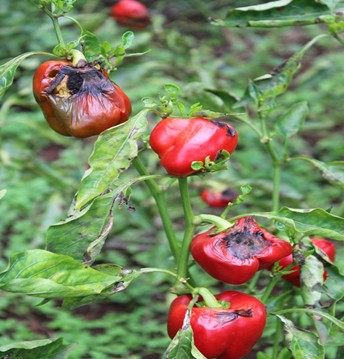
Heavy rain can quickly become destructive when farmers are not prepared. Flooding can wash away crops and fertile soil, while waterlogged fields can destroy seedlings and encourage pests and diseases. Farmers can take practical steps before and during the rains.
Prepare drainage channels
Inspect the farm before the heavy rains begin. Clear blocked drainage channels and create safe pathways for excess water to flow away from crop fields and livestock areas. Avoid allowing water to remain in fields for long periods.
However, manage drainage carefully. Fast-moving water can carry away valuable top soil. Where possible, farmers should slow down runoff and direct excess water into storage areas such as ponds or water pans.
Protect your soil
The top layer of soil contains many of the nutrients crops need. Heavy rains can easily wash it away, leaving farmers with poor soils and lower yields. Maintaining ground cover through mulching or planting cover crops, such as sweet potato vines, buffers the soil against raindrop impact and prevents erosion.
Farmers can also use planting methods such as zai pits and half-moon planting holes. These help trap water and allow it to soak into the soil. On sloping land, terraces and contour farming slow down water and reduce runoff. Reducing unnecessary digging helps maintain soil structure, while grass strips can further slowdown flowing water. Protecting the soil during heavy rains means protecting future harvests.
Protect livestock
Livestock can also suffer during periods of heavy rainfall and flooding. Animal shelters should have proper drainage and remain dry. Store feed and fodder where rain cannot damage them or floodwater cannot contaminate them.
When flooding is expected, farmers should move animals early to safer, higher ground. Wet and humid conditions can also increase the risk of livestock diseases and parasites. Farmers should monitor their animals closely and seek advice from veterinary and livestock extension officers when they notice signs of illness.
Follow weather forecasts
Weather information can help farmers make better decisions. Before planting, harvesting or applying fertiliser and other farm inputs, farmers should follow forecasts and advisories from national meteorological services and agricultural extension officers.
Knowing when heavy rainfall is expected can help farmers decide when to plant, harvest, protect stored produce or move livestock to safer areas. Weather conditions can vary greatly from one place to another. Farmers should therefore pay close attention to local forecasts and advisories.
Making the rains count
Farmers are encouraged to contact their local extension offices this week to begin drafting a water management plan.
Total comments (--)
Let others know what you think

The Same Author



Lorem ipsum dolor sit amet, consectetur adipiscing elit. Suspendisse varius enim in eros elementum tristique. Duis cursus, mi quis viverra ornare, eros dolor interdum nulla, ut commodo diam libero vitae erat. Aenean faucibus nibh et justo cursus id rutrum lorem imperdiet. Nunc ut sem vitae risus tristique posuere.