

Young Engineers Turn Farmers’ Dream Into Reality With Biochar Technology
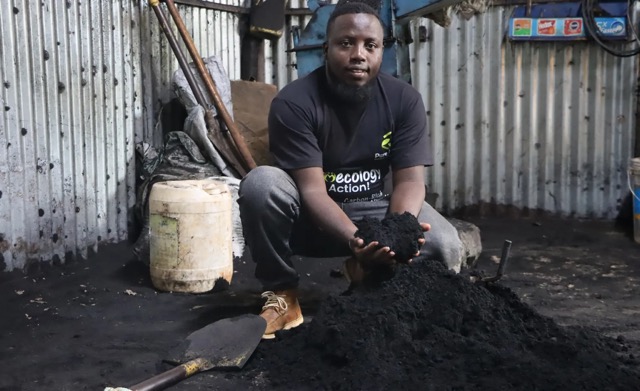
Is your soil dead? Bring it to life with biochar.
After graduating with a Bachelor of Science in Agricultural Engineering, Dennis Murithi began working closely with farmers, providing extension services that included installation of irrigation systems and vertical garden technologies aimed at improving crop yields. Despite these interventions, many farmers continued to struggle with low productivity. From Murithi’s experience, the core challenge was persistent soil infertility, largely caused by low organic matter content.
Motivated to address this underlying problem, Murithi teamed up with his friend Derrick Ngigi. Together, they founded Pure Plant Organic Ltd, a company dedicated to providing sustainable soil amendment solutions. Their journey began with extensive research into existing technologies capable of enriching soils organically and sustainably.
Discovering Biochar as a Lasting Solution
Their research revealed that farmers practicing organic farming such as vermicomposting, rearing black soldier flies for animal feed, using organic manure, experienced fewer soil fertility problems. However, the duo wanted a solution that would remain effective in the soil for much longer. This search led them to biochar technology.
According to Murithi, biochar serves as a powerful soil amendment by creating a favorable environment for soil microorganisms to thrive. These microorganisms multiply, enhance nutrient absorption, and improve overall soil health, making biochar along-term solution.
How Biochar Is Made
Biochar production begins with sourcing biomass materials such as rice husks or macadamia shells. Murithi sources rice husks from rice millers in Mwea, Kirinyaga County. The biomass undergoes pyrolysis process where it is burned in the absence of oxygen at varying temperatures. The resulting material is then crushed using a milling machine into fine granules and inoculated with organic fertilizers. The final product is highly effective and can be applied on its own, without the need for additional fertilizers.
How Biochar Works in the Soil
Continuous use of synthetic fertilizers and herbicides kills beneficial soil micro organisms, leaving soil lifeless and unproductive. Replacing these synthetics with organic manure helps restore microbial life. When biochar is added, its porous structure provides ideal spaces for microorganisms to multiply. This same porosity improves soil aeration and moisture retention both critical for crop productivity. Biochar also helps balance soil pH.
Murithi explains that biochar does not decompose because the pyrolysis process creates a stable carbon compound that remains permanently in the soil.
Application and Quantity
Before applying biochar, farmers are advised to conduct a soil test to assess soil condition. Soil type determines both the quantity and frequency of application. Clay soils, for instance, require more biochar due to their tendency to form hard pans.
One of biochar’s greatest advantages is its permanence. Small-scale farmers may not need to apply additional manures after initial application. Commercial producers, however, may still use other biofertilizers, but in significantly reduced quantities.
Proven Results on the Ground
Pure Plant Organics has documented notable success stories. In Mwea, one farmer increased her rice harvest from seven bags over three seasons to twenty bags after applying biochar. In clay-heavy regions where hard pans previously made farming impossible, farmers can now grow crops and achieve satisfactory harvests.
Landscapers also make up a significant portion of the company’s clientele. Home compound grass typically requires conditioning three months after planting. Instead of compost manure, which has an unpleasant smell, landscapers opt for biochar.
Availability and Farmer Support
Pure Plant Organics packages biochar in multiple sizes: 5 kg at KSh 250, 10 kg at KSh 500, 25 kg at KSh 1,500 and 50kg at KSh 2,200.
The company’s outlet is based in Nairobi, but it supplies farmers nationwide, including Central, Western, and Rift Valley regions. Beyond selling biochar, the company supports farmers through soil testing, guidance on application rates, and follow-up to monitor soil improvement and productivity.
Murithi encourages farmers to embrace innovative technologies that address persistent agricultural challenges. He notes that Pure Plant Organics’ biochar is certified by KEBS, Kilimo Hai, and ECO Cert.
Total comments (--)
Let others know what you think

Lorem ipsum dolor sit amet, consectetur adipiscing elit. Suspendisse varius enim in eros elementum tristique. Duis cursus, mi quis viverra ornare, eros dolor interdum nulla, ut commodo diam libero vitae erat. Aenean faucibus nibh et justo cursus id rutrum lorem imperdiet. Nunc ut sem vitae risus tristique posuere.
The Same Author
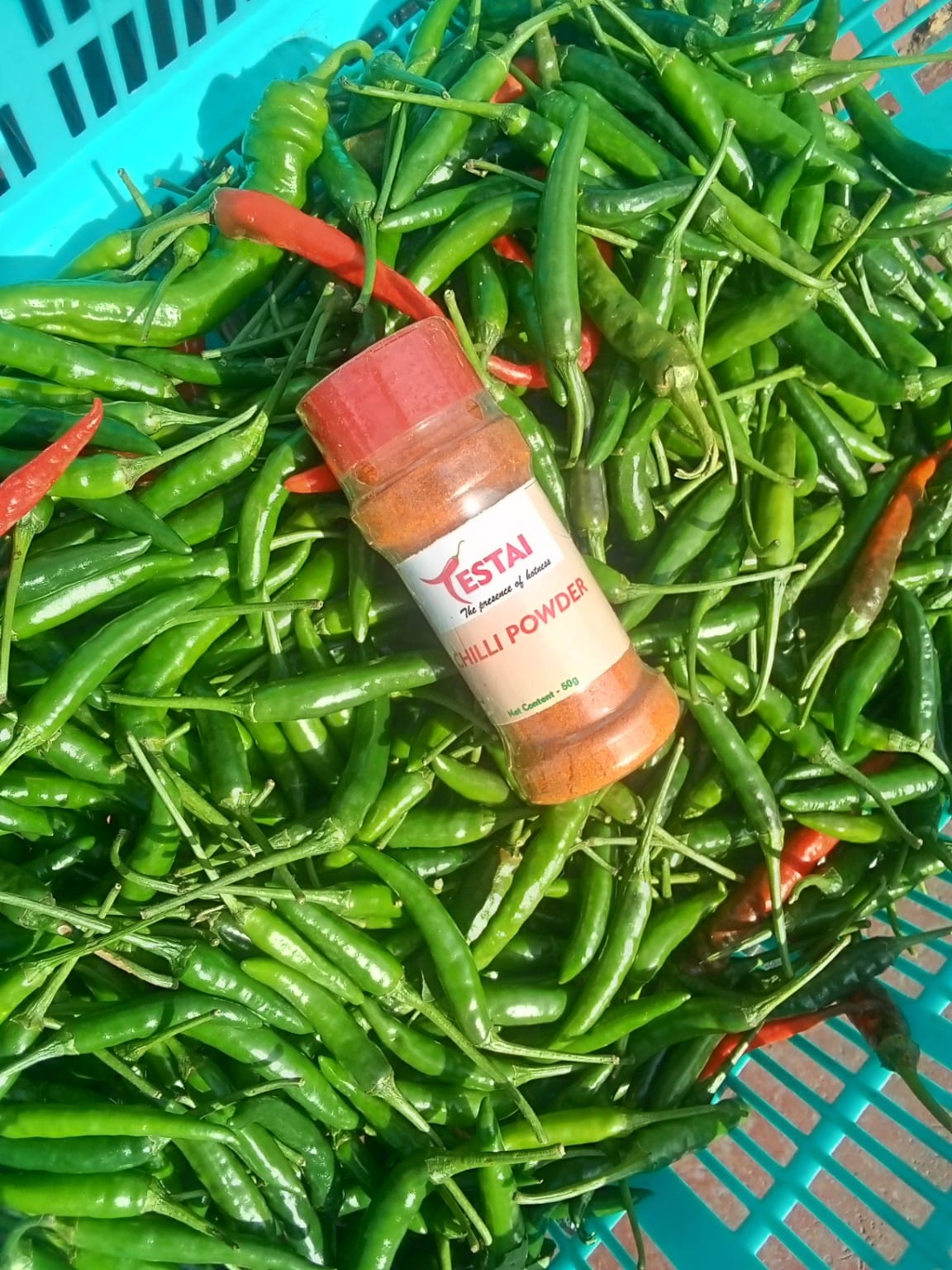
Chilli Farmers in Bomet County of Kenya Turn a Challenge into a Lucrative Opportunity

Busia Couple Taps into the growing market for Bokashi Fertilizer

3KM Members Demonstrate Strength in Numbers Through Aggregation and Value Addition

How to Make Bokashi Manure - A Simple Guide to Fermented Organic Fertilizer
TOF Magazine Reader Unlocks a World of Abundance Through Innovative Farming



Lorem ipsum dolor sit amet, consectetur adipiscing elit. Suspendisse varius enim in eros elementum tristique. Duis cursus, mi quis viverra ornare, eros dolor interdum nulla, ut commodo diam libero vitae erat. Aenean faucibus nibh et justo cursus id rutrum lorem imperdiet. Nunc ut sem vitae risus tristique posuere.