

Enjoy The Full Benefits of Hibiscus, Beyond Its Beauty
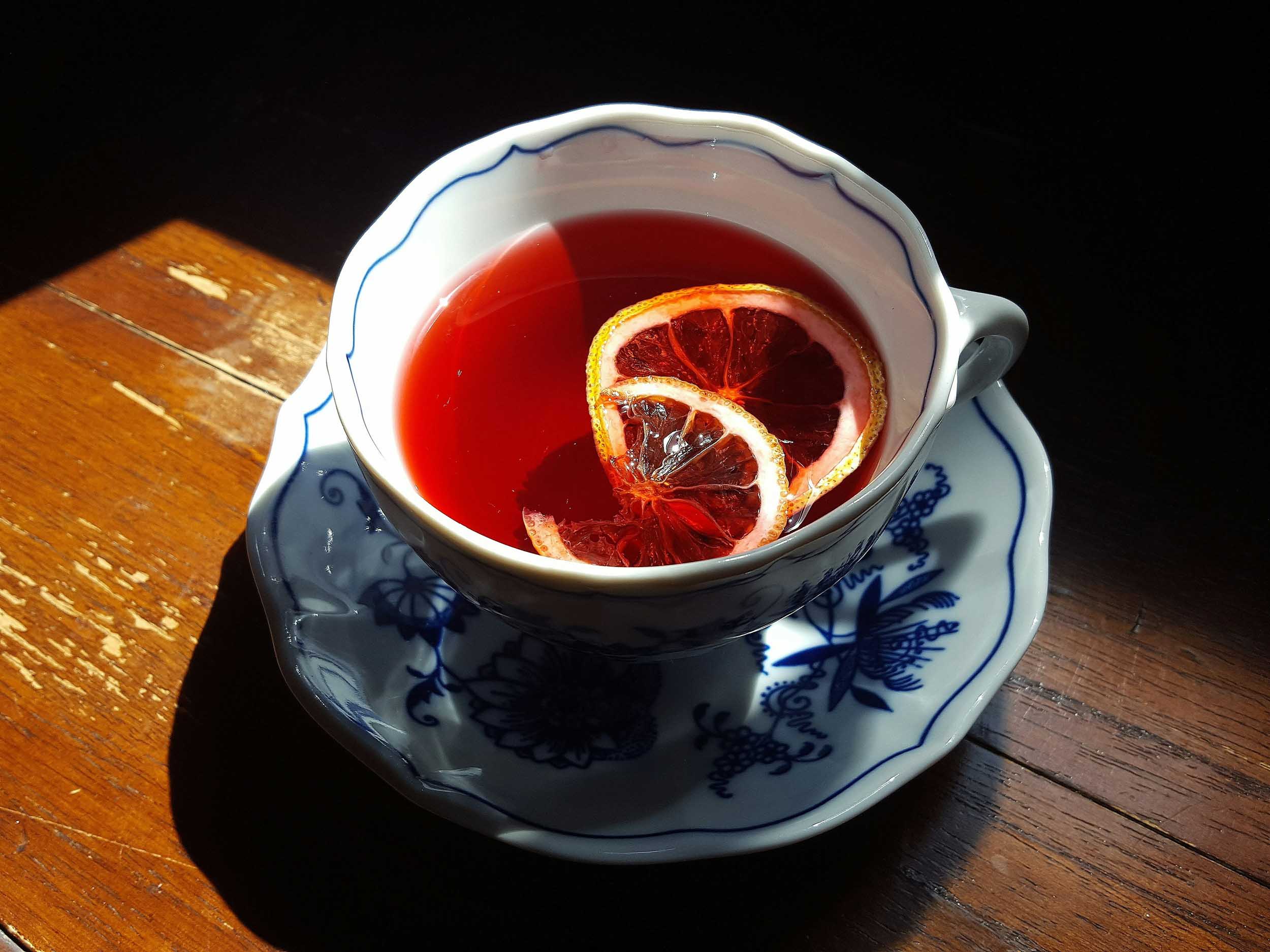
Often, hibiscus is grown for its flowers that blossom in a variety of warm and deep colors. They are mostly planted in compounds to beautify the environment, but the hibiscus is one of the most under utilized plant as it carries many more beneficial aspects to human beings in addition to the aesthetics of its trumpet- shaped flowers. Farmers in various parts of Africa have discovered the hidden treasure in this perennial plant and started processing it to produce high value products beneficial to human health.
Value addition of Hibiscus
The use of hibiscus as food is varied. The calyx (sepals) of hibiscus is commonly used in the production of soft drinks, juice, jelly, jams and wine. They can also be dried and brewed into tea and spices. The young leaves of hibiscus can be consumed raw as green vegetables while the seeds are a good source of fiber, fat, protein and total sugars.
Hibiscus Tea
1. First collect the hibiscus calyx.
2. Wash them clean. Air or oven dry them at 70 degrees for three days.
3. Peel the calyx off and store it in airtight containers.
To make the tea:
1. Take a few of the dried calyx and crash them into small pieces.
2. Put them in ac up and add boiling water-let it steep for 2-4 minutes. Add sugar or few drops of lemon juice as desired.
3. You can also refrigerate it and make hibiscus iced tea.
Hibiscus Wine
1. Sort the calyx to remove chaff and those of poor quality.
2. Boil the dry calyx in water to obtain the juice and extract.
3. As the leaves boil to get the juice extract, sugar mixed with water is boiled separately to form a liquid.
4. Mix the juice extract with the sugar and water mixture. Stir this well and add yeast to help in fermentation.
5. Put the mixture in fermentation/maturation tanks and let it stay for at least 6 months when it’s ready for use.
6. When matured, put it into bottles for later use or sale.
Note: From practicing producers, 10kg of quality dried hibiscus calyx can produce at least 500l of wine. To make dry wine, you can choose not to add the sugar.

Using hibiscus to make juice
Juice extracts are produced from various parts of plants including leaves, fruits and calyx. Calyx of hibiscus are used to prepare juices. The extract also known as Roselle extract has a unique red color, good flavor, low sugar and high acidic content. The acidity makes the juice sour hence the need for addition of sweetening products. Blending of tropical fruit juices with Roselle extract improves mineral composition and antioxidant properties of fruit juices as Roselle is a good source of calcium, magnesium and iron.
Medicinal use of hibiscus
Among many cultures, various species of hibiscus have been used for ages in traditional medicine. It is highly valued for its mild laxative effect, relief during hot weather, increasing one’s ability to urinate as well as for treatment of feet cracks, wounds, bilious and sores. In some countries like Sudan, it is used for relieving sore throat whereas in India the leaves are used to make healing ointment on sores. Recent studies have continued to prove that hibiscus has more medicinal purposes such as:
Anti-diabetic activity - Studies on polyphenol compounds extracted from hibiscus on type two diabetes have shown that hibiscus has anti-insulin properties at a dose of 200mg/kg and can thus be used in the management of diabetes. Also, similar studies have proven that it is good in the reduction of hyperglycemia (too much sugar in the blood) and hyper-insulin anemia (high amount of insulin in the blood above normal). Hibiscus has also shown to be effective in reducing the ratio of the low density lipo-protein and the high density lipoprotein, triaglycerol and serum cholesterol, hence reducing the risk of heart attack.
Lowering blood pressure - Aqueous extracts of hibiscus have been shown to be effective in treating mild to moderate hypertension with no adverse effects. Daily consumption of hibiscus extracts can result in a decrease in blood pressure.
Weight loss, anti-obesity - When taken after meals, a cup of hibiscus tea has been shown to help in weight loss as it contains an enzyme inhibitor which blocks absorption of amylase. Some compounds in hibiscus have also been proven to be anti-obesity and anti-inflammatory.
Hypo-lipidemic effects - Hibiscus tablets have shown to significantly lower serum cholesterol.
Anthelmintic and anti-microbial effects - Hibiscus has antibacterial, antifungal and anti-parasitic actions. All these make it effective in the control and management of microorganisms such as bacillusanthraces, staphylococcus albus and schist soma mansoni.
Antioxidant effect - Hibiscus has shown to have the ability to scavenge for free radicals in the body, and this helps protect the body against a variety of diseases such as certain types of cancers.
In conclusion, hibiscus is far more than a beautiful ornamental plant. Its flowers, leaves, calyx, and seeds are packed with nutritional and medicinal value, offering benefits from heart health and blood sugar regulation to weight management and antioxidant protection. Beyond its health potential, hibiscus presents lucrative opportunities for value-added products like teas, juices, jellies, and wines, making it a promising crop for farmers and entrepreneurs.
Total comments (--)
Let others know what you think

The Same Author



Lorem ipsum dolor sit amet, consectetur adipiscing elit. Suspendisse varius enim in eros elementum tristique. Duis cursus, mi quis viverra ornare, eros dolor interdum nulla, ut commodo diam libero vitae erat. Aenean faucibus nibh et justo cursus id rutrum lorem imperdiet. Nunc ut sem vitae risus tristique posuere.