

Youth Turn to Lucrative Avocado Farming to Boost Livelihoods and Promote a Circular Economy
Rising global demand for avocados has positioned the crop as one of Kenya’s most profitable agribusiness ventures. According to the Agriculture and Food Authority, avocados were the most sought-after fruit in international markets, earning Kenya approximately KSh 24 billion between January and September 2025. This strong performance under scores avocado farming as a viable and lucrative opportunity, particularly for young agripreneurs.
Among those tapping into this opportunity is 26-year-old Winters Kiprotich, a youth farmer from Kericho County. A graduate of agricultural extension from Meru University, Winters discovered the profitability of avocado farming while working as a farm extension employee in Meru. Inspired by the strong returns generated through avocado seedling propagation and fruit production, he made the bold decision to leave formal employment in 2024 and return home to start his own agribusiness venture.
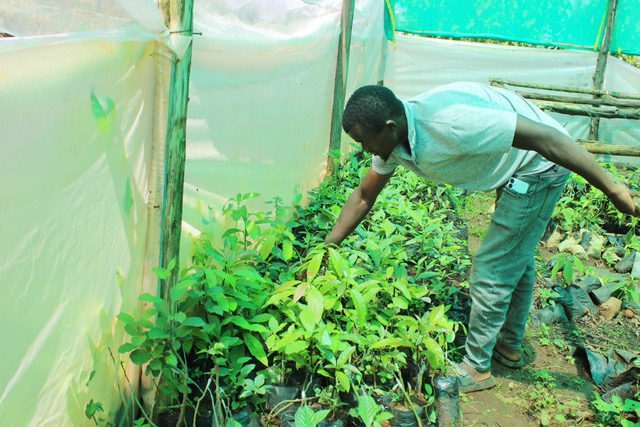
With the support of his family, Winters established K-Farm, beginning with a small nursery focused on grafted Hass avocado seedlings. Over time, the enterprise expanded to include passion fruit and vegetable seedlings, particularly cabbages. He planted 70 avocado trees on his one-acre farm selling additional seedlings to farmers within the community.
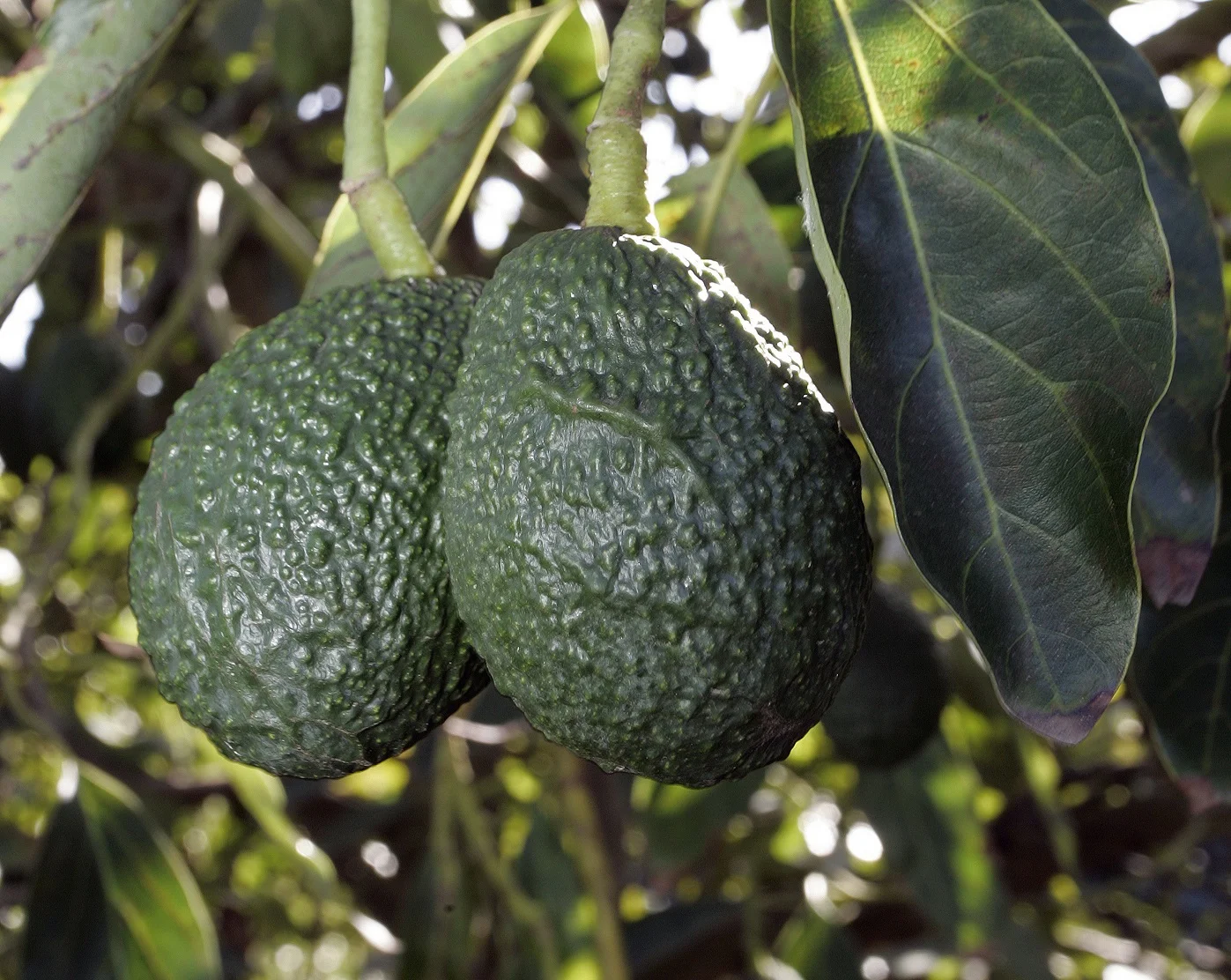
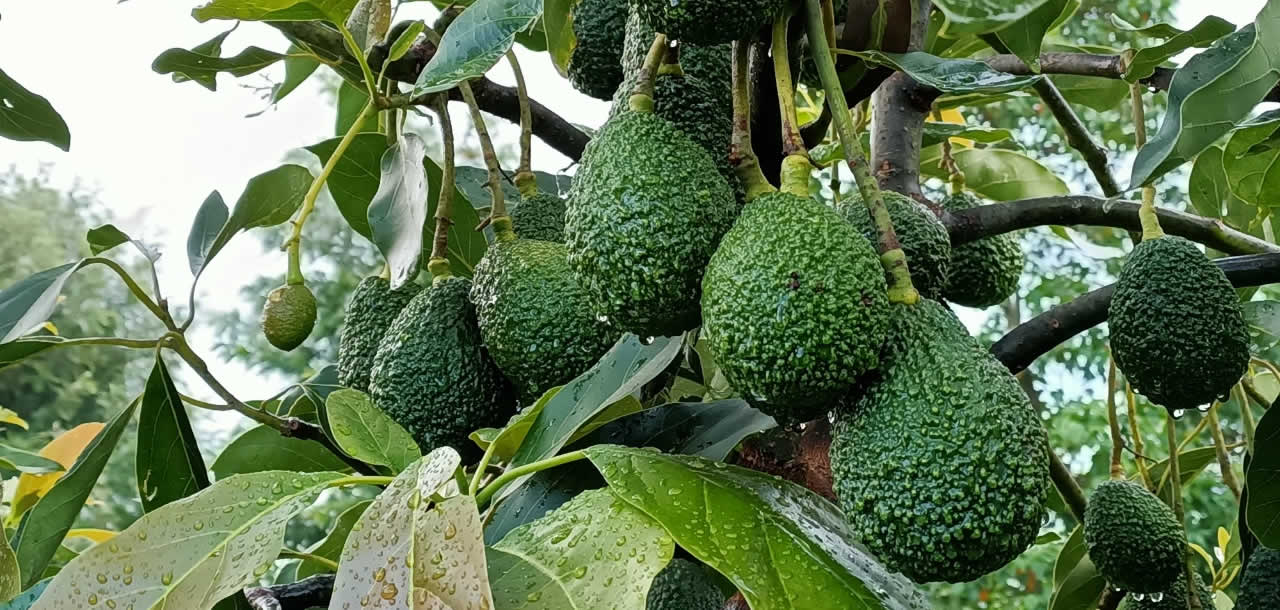
The farm, currently surrounded by tea plantations, is gradually being converted into an avocado orchard. The trees are well spaced at five-by-five metres, and fruiting has already begun, signaling promising harvests ahead. Winters practices intercropping, growing butternuts, tree tomatoes, passion fruits, pomegranates, rosemary, spring onions, peaches, and apples alongside the avocados. This integrated system not only maximizes land use but also supports soil health and pest control.
Each avocado tree is mulched with dry plant material such as leaves and straw, which helps retain soil moisture and decomposes over time to release nutrients. Winters explains that inter cropping serves multiple purposes: butternuts act as ground cover to suppress weeds, spring onions repel pests, and Mexican marigold planted along the farm edges helps deter insects naturally.
In line with circular economy principles, Winters relies heavily on organic inputs. He produces compost manure using animal bedding, kitchen waste, and plant residues, forming six-foot compost heaps that mature within three months. He also sources animal dung from a nearby dairy farm and supplements with commercial organic fertilizers to enhance foliage growth.
Beyond farming, Winters leverages his training as an agricultural extension expert to offer consultancy services, including drip irrigation installation, dam liners, vermicomposting, tower garden setups, and azolla cultivation. These services provide an additional income stream while supporting sustainable farming practices in the community.
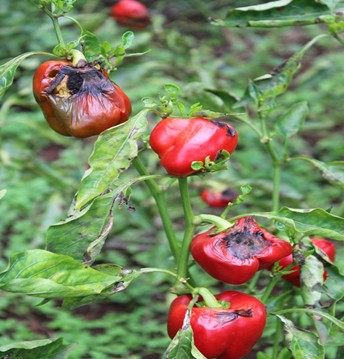
Despite his success, challenges remain. Pests and diseases pose a major threat to avocado production, with pearsean mites, thrips, and whiteflies being the most common pests. Diseases such aspowdery mildew, stem infections, dry rot, and blossom end rot also affect the crop. To manage these risks, Winters intercrops mint and spring onions to naturally suppress pests and reduce disease pressure.
Winters believes avocado farming remains highly profitable, with farm-gate prices ranging between KSh 80 and KSh 130 per kilogram. With proper care, avocado trees mature within two to three years and can produce up to 300 kilograms per tree annually across two harvest seasons, although yields are lower in the early years. In addition to avocados, he sells passion fruit seedlings at KSh 40 and vegetable seedlings from as low as KSh 2.His avocado fruits are sold directly to export traders who purchase in bulk at the farm, eliminating transportation costs.
Looking ahead, Winters is optimistic about the future of avocado farming and encourages both employed and unemployed youth to explore opportunities within the avocado value chain. He plans to plant an additional 130 avocado trees and has already drilled a borehole capable of supplying 1,000 litres of water daily. He also hopes for increased county government support, particularly through seedling procurement and affordable access to water.
“Agribusiness requires patience, resilience, and realistic expectations,” Winters says.
Total comments (--)
Let others know what you think







Lorem ipsum dolor sit amet, consectetur adipiscing elit. Suspendisse varius enim in eros elementum tristique. Duis cursus, mi quis viverra ornare, eros dolor interdum nulla, ut commodo diam libero vitae erat. Aenean faucibus nibh et justo cursus id rutrum lorem imperdiet. Nunc ut sem vitae risus tristique posuere.