Combat Aflatoxin Early in Your Crops Using Aflasafe
Many farmers put in great effort to achieve good harvests, only to lose income when their grain is rejected or declared unsafe for consumption. One hidden cause of such losses is aflatoxin a harmful poison produced by certain fungi that grow on crops like maize and groundnuts. Aflasafe technology was developed to help farmers address this challenge in a safe and natural way.
What Is Aflatoxin and Why Is It Dangerous?
Aflatoxin forms when crops are infected by harmful fungi, especially in warm and humid conditions. It can contaminate maize, groundnuts, sorghum, and other grains both in the field and during storage.
Food contaminated with aflatoxin is dangerous to both humans and animals. It can cause serious health problems and, in extreme cases, death. Beyond health risks, aflatoxin contamination results in rejected produce in markets and restricts farmers’ access to premium buyers.
What Is Aflasafe Technology?
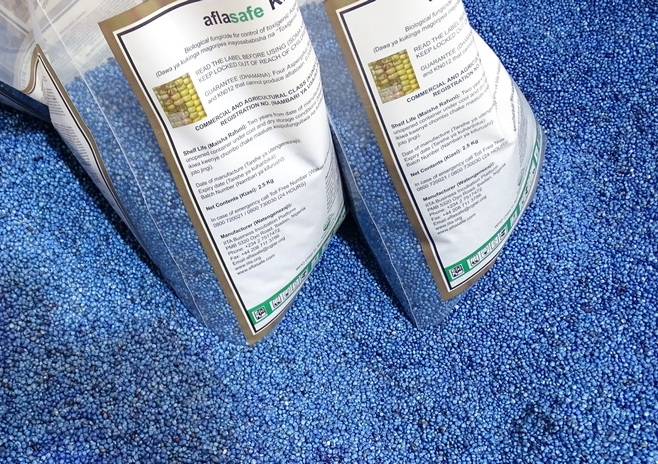
Aflasafe is a biological control technology research product developed by the International Institute of Tropical Agriculture (IITA). It reduces aflatoxin contamination in food crops starting right from the field.
The technology works by using beneficial fungi to fight harmful fungi.Aflasafe is produced using sorghum as a carrier. Ordinary sorghum grains are heated before being coated with carefully selected “good” fungi strains that are better adapted to local conditions and naturally outcompete the aflatoxin-producing fungi. These beneficial fungi occur naturally in the soil and do not produce aflatoxin. When correctly applied, they replace and suppress the harmful fungi responsible for contamination.
How to Apply Aflasafe Correctly
Before broadcasting Aflasafe weed the plot, apply biofertilizer, complete all other necessary field operations. Broadcast Aflasafe by hand two to three weeks before crop flowering at a rate of 4 kg per acre.
If possible, apply Aflasafe after rainfall, when rain is forecasted, or when the soil is moist.
Ensure the product remains on the soil surface. The spores must stay above ground to grow effectively. Do not carry out any operation after application that would bury Aflasafe under the soil. Any soil-disturbing activities should be completed before application.
Five to ten days after broadcasting, inspect the field and observe the color of the sorghum carrier grains. If soil moisture is sufficient, you should see a greenish growth on some or all of the grains.
Is Aflasafe Difficult to Use?
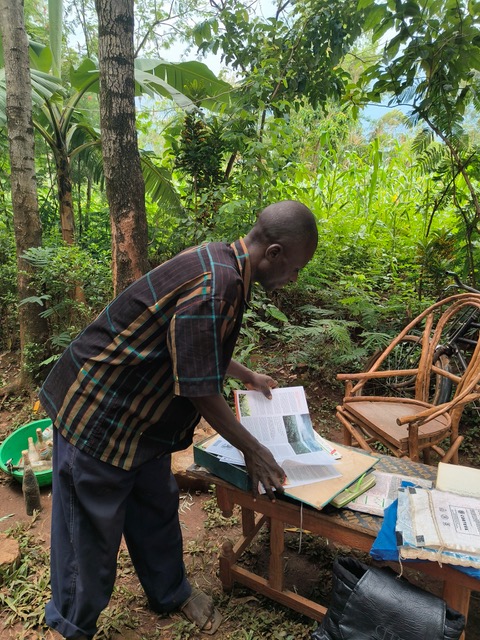
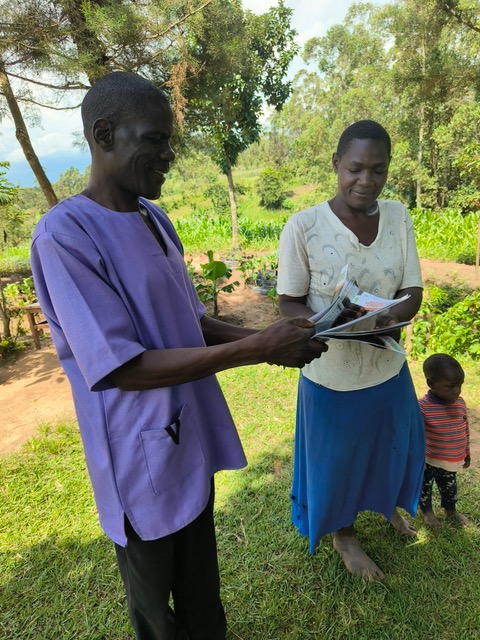
Aflasafe is simple to use and does not require special equipment. Farmers only need basic training on proper timing and application methods. Once applied, it works throughout the growing season.
It is most effective when combined with good agricultural practices such as timely harvesting, drying crops on clean surfaces and storing grain in dry, well-ventilated conditions.
Availability in Kenya
In Kenya, farmers can access Aflasafe through agro-dealers, county agricultural offices, and farm input supply outlets.
Previously, the product has been distributed through National Cereals and Produce Board (NCPB) stores as well as private agro-input suppliers, making it easier for small-scale farmers to purchase it where they normally buy seeds and fertilizer.
Efforts have also been made to strengthen national marketing and distribution systems so that more farmers can access Aflasafe ahead of planting seasons.
The price of Aflasafe in Kenya varies depending on the retailer and packsize. A 2 kg pack commonly sells at around KSh 470, which is enough to treat part of a field and reduce aflatoxin risk.







Lorem ipsum dolor sit amet, consectetur adipiscing elit. Suspendisse varius enim in eros elementum tristique. Duis cursus, mi quis viverra ornare, eros dolor interdum nulla, ut commodo diam libero vitae erat. Aenean faucibus nibh et justo cursus id rutrum lorem imperdiet. Nunc ut sem vitae risus tristique posuere.