Across East Africa, agriculture is undergoing a steady but significant shift. While staple crops such as maize and beans remain important for food security, there is growing momentum toward high-value crops that offer better returns to farmers and stronger links to regional and international markets. Among these, avocado farming has emerged as one of the region’s most promising opportunities.
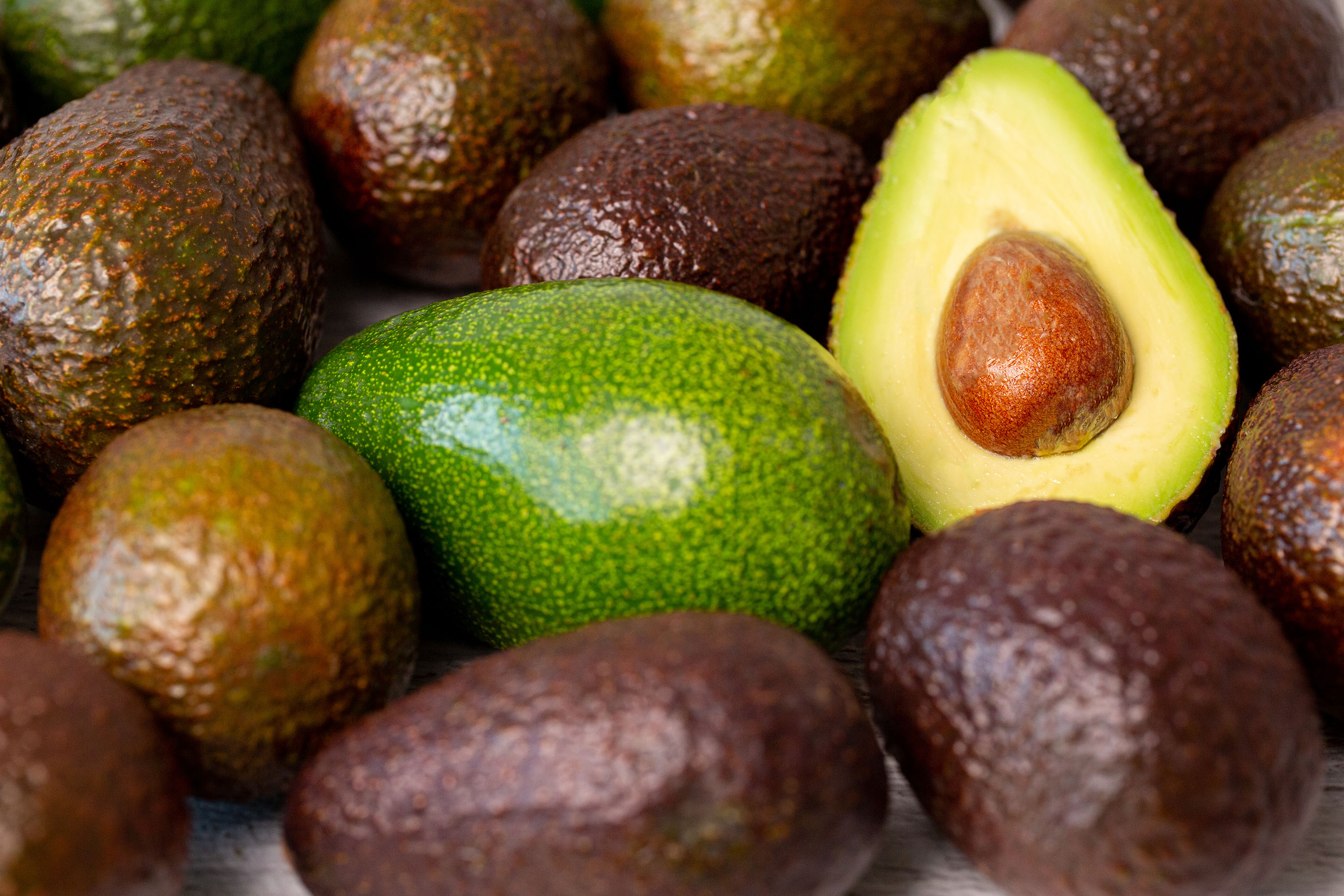
Countries such as Kenya, Tanzania, Uganda, and Rwanda are increasingly investing in avocado production, with the Hass variety leading the way due to its strong demand in export markets. What was once largely a subsistence or backyard fruit is now a key commercial crop, placing East Africa firmly on the global avocado map. Kenya remains the regional leader, but neighboring countries are quickly catching up, expanding acreage and improving production practices to tap into the same lucrative markets.
This growth is driven by rising global demand, particularly from Europe, China, and the Middle East, where avocados are valued for their nutritional benefits and versatility. Favorable climatic conditions across much of East Africa make the region well-suited for avocado farming, and many smallholder farmers are benefiting from improved seedlings, better agronomic practices, and stronger links to exporters.
However, while the expansion of raw avocado exports has brought in foreign exchange and improved farmer incomes, it only tells part of the story. The greater, largely untapped opportunity lies in value addition. Instead of exporting raw fruit alone, East African countries can significantly increase earnings by processing avocados into higher-value products such as oil, cosmetics, and packaged foods.
Avocado oil, for example, is in high demand globally for both culinary and cosmetic uses. Locally produced oils can fetch premium prices compared to raw fruit, while also creating jobs in processing, packaging, and distribution. Similarly, the cosmetic industry presents opportunities for small and medium enterprises to develop products such as skin and hair care items using avocado extracts.
Beyond the pulp, even avocado by-products such as seeds and peels are gaining attention for their potential use in animal feed, pharmaceuticals, and industrial applications. This opens up additional value chains, ensuring that more of the crop is utilized and less goes to waste. For East Africa to fully realize this potential, investment in agro-processing infrastructure, quality standards, and market access will be critical. Strengthening farmer cooperatives, improving cold storage and transport systems, and supporting youth-led agribusiness ventures can further accelerate growth across the region.
By moving beyond raw exports and embracing value addition, East Africa has an opportunity not only to increase export earnings, but also to create jobs, reduce post harvest losses, and build a more resilient and inclusive agricultural sector.











Lorem ipsum dolor sit amet, consectetur adipiscing elit. Suspendisse varius enim in eros elementum tristique. Duis cursus, mi quis viverra ornare, eros dolor interdum nulla, ut commodo diam libero vitae erat. Aenean faucibus nibh et justo cursus id rutrum lorem imperdiet. Nunc ut sem vitae risus tristique posuere.