

Farming Is Not Charity: How to Price Your Produce for Real Profit

Farming in Kenya has quietly become an act of charity, where farmers absorb all the risks while other players in the value chain take the profits.
Many farmers in Kenya sell their produce with one goal in mind: to avoid losses. Very few sell to make a real profit. Many farmers will say, “At least I recovered my costs,” or worse, “I sold because the produce would spoil.”
But farming is not charity. It is a business. And every business must price for profit.
How can farmers price their products properly?
Farmers can price their products using cost-based pricing, market research, negotiation skills, value addition, and grading.
1. Cost-Based Pricing: If You Don’t Know Your Costs, You Can’t Price
Many farmers price based on what their neighbor is selling at or what a broker offers. If you don’t know your costs, the market will decide your price, and it will not favor you.
Most farmers only count visible costs like seeds, fertilizer, or animal feed. But farming has many hidden costs that must be included. Ignoring some of these costs gives a false picture of profitability.
Production costs include:
- Seeds or breeding stock
- Fertilizer and manure
- Chemicals and veterinary drugs
- Feed and supplements
- Labor (including family labor)
- Water, fuel, and electricity
- Transport to market
- Packaging and storage
- Losses due to spoilage, pests, or disease
An Example
A tomato farmer in Kirinyaga sells a crate at KShs. 1,000 and feels satisfied. But when they calculate the production costs, they realize the real cost per crate is KShs. 900. After market levies and losses, the farmer is working almost for free.
What to do Instead
Every farmer should know total cost of production and cost per unit (per kilo, per crate, per litre).
Simple formula
Cost per unit = Total production cost ÷Total produce
Then add profit:
Selling price = Cost per unit + Profit margin
Why Pricing Below Cost Is a Silent Killer?
Some farmers knowingly sell below cost, hoping to recover something rather than lose everything. While this feels logical, it is dangerous.
The Long-Term Damage
- You train buyers to expect low prices.
- You cannot reinvest in your farm.
- You become dependent on loans and debt.
- Farming becomes unsustainable.
Selling below cost may solve today’s problem, but it creates tomorrow’s crisis.
2. Market Research: Produce for Demand, Not Hope
The market does not pay you more because you worked hard. It pays based on demand, timing, and quality. The best farmers produce what the market wants, not just what grows well.
Common mistakes that farmers make:
- Planting without checking market demand.
- Harvesting when everyone else is harvesting.
- Selling at the nearest market without checking alternatives.
Practical Kenyan Examples
- Kale (sukuma wiki) prices crash when rains are plenty and everyone plants.
- Milk prices differ significantly between selling raw milk and supplying a processor or institution.
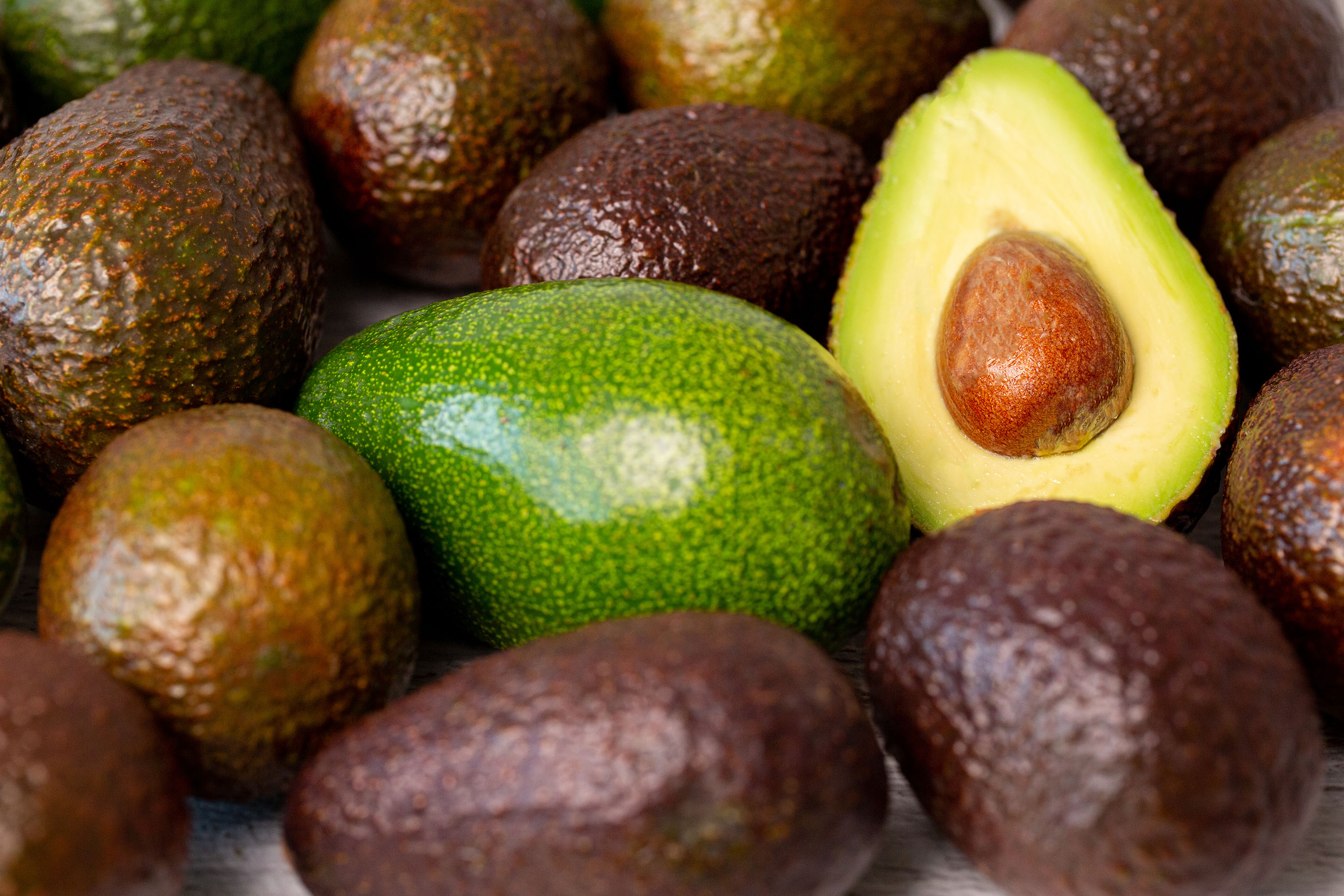
- Avocados fetch different prices depending on size, quality, and market destination.
What to do Instead
- Check prices in different markets (local, town, aggregator, processor).
- Talk to traders before planting.
- Join farmer groups to access better markets.
- Diversify crops to spread risk.
3. Negotiation Skills: Stop selling from a position of desperation
Most farmers lose money at the point of sale, not in the field. If you cannot walk away from a deal, you have already lost the negotiation. Confidence in pricing comes from preparation.
Common Scenario
A broker arrives at the farm gate and says: “The market is bad. Take it or leave it.” The farmer, fearing spoilage, accepts a low price.
Why farmers lose Negotiations
- They are selling alone.
- They don’t know current market prices.
- They are desperate to sell quickly.
How to negotiate Better
- Know your minimum price (based on costs).
- Delay selling, if possible, by using storage or cooling.
- Sell as a group to increase bargaining power.
- Focus on quality, buyers pay more for consistency.
4. Value Addition and Grading: Same Produce, Different Prices
Not all produce should sell at the same price. The market pays for value, not volume.
Examples
- Graded potatoes earn more than mixed sizes.
- Clean, well-packaged eggs sell better than dirty ones.
- Milk delivered consistently earns bonuses from processors.
What to Do
- Grade, clean, and package produce properly.
- Separate premium produce from lower-grade produce.
- Explore simple value addition like drying, processing, or bulking.
Conclusion: Profit Is a Decision
Farmers who price for survival stay stuck. Farmers who price for profit grow.
Farming is not charity. Buyers are not doing you a favor. You are providing value, and you deserve to be paid for it.
Start by knowing your costs, understanding your market, and negotiating with confidence.
Before selling, always ask yourself: “Does this price reward my effort or just my desperation?”
The answer will determine whether your farm survives or succeeds.
Total comments (--)
Let others know what you think

Lorem ipsum dolor sit amet, consectetur adipiscing elit. Suspendisse varius enim in eros elementum tristique. Duis cursus, mi quis viverra ornare, eros dolor interdum nulla, ut commodo diam libero vitae erat. Aenean faucibus nibh et justo cursus id rutrum lorem imperdiet. Nunc ut sem vitae risus tristique posuere.



Lorem ipsum dolor sit amet, consectetur adipiscing elit. Suspendisse varius enim in eros elementum tristique. Duis cursus, mi quis viverra ornare, eros dolor interdum nulla, ut commodo diam libero vitae erat. Aenean faucibus nibh et justo cursus id rutrum lorem imperdiet. Nunc ut sem vitae risus tristique posuere.