

Vermicomposting and its Numerous Benefits
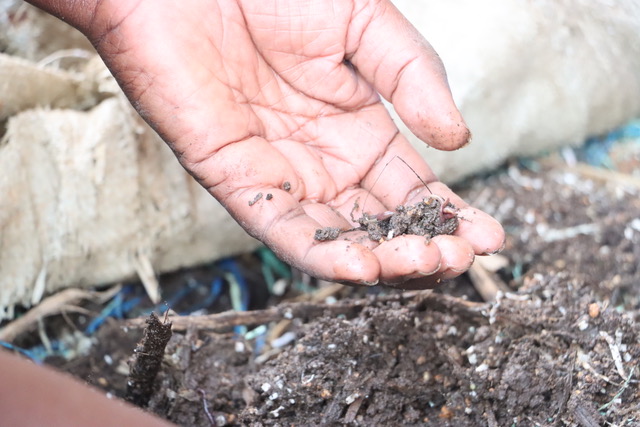
Vermicomposting is the process by which earthworms convert organic waste into nutrient-rich solid compost and liquid fertilizer. Different worm species are used depending on climate and efficiency. Common species include Red wigglers (Eisenia fetida),African nightcrawlers (Eudrilus eugeniae), European nightcrawlers (Eiseniahortensis), and Indian blue worms (Perionyx excavatus).
Red wigglers are the most preferred species due to their efficiency, strong appetite, adaptability to captivity, and rapid reproduction. African nightcrawlers thrive in warmer climates and are larger than red wigglers. Indian blue worms perform well in tropical conditions and reproduce very quickly. European nightcrawlers are larger and versatile, making them suitable for both compost production and soil aeration.
Methods of Vermicomposting
The choice of method depends on the amount of waste generated and the scale of production. Vermicomposting can be practiced on a small or large scale. Common methods include:
Worm Bin – Ideal for households, kitchens, or garages. This method uses one or two plastic containers placed on a basin or a container fitted with a tap to collect vermi-liquid. Drainage and ventilation holes regulate airflow and moisture. Containers typically range from 30–50 cm in size.
Beds – Alarge-scale method involving concrete beds constructed on the ground. Bedding material is placed first, followed by worms and organic waste.
Pit –Farmers dig pits or trenches, fill them with organic waste, and introduce worms to accelerate decomposition.
Rhino Method – A portable net-bed system designed for easy transport and high moisture retention.
Factors to Consider
Temperatures- are critical for worm activity. Worms perform best between 15–30°C. Units should be placed in shaded, well-ventilated areas to prevent overheating.
pH - should remain slightly acidic to neutral. Overfeeding may increase acidity. If the compost becomes too acidic, adding lime, crushed eggshells, or rock dust helps restore balance.
Moisture content - should be maintained between 60–70%, similar to a squeezed sponge. Excess water can suffocate worms, while dryness slows decomposition. Proper bedding, controlled feeding, and protection from rain help regulate moisture.
Setting Up a Vermi-Unit
Step 1: Site Selection
Selecta cool, shaded, and well-ventilated location protected from direct sunlight and heavy rain. Since worms are prey to birds and other animals, the unit should be covered.
Step 2: Unit selection and construction
Prepare the container, bed, or pit depending on your chosen method. Plastic bins, wooden boxes, or cement pits are suitable, provided they have adequate drainage holes. Avoid corrosive metallic taps, as rust may contaminate the fertilizer.
Step 3: Bedding Materials
Add bedding materials such as dry leaves, shredded paper, straw, sawdust, or coconut coir to form a 4–6-inch layer. Add a thin layer of soil and sprinkle water to moisten without overwatering.
Step 4: Add the worms
Introduce the worms according to the size of the unit and expected waste volume.
Step 5: Add organic waste
Then add chopped organic waste such as vegetable peels, fruit scraps, tea leaves, and coffee husks. Cover the waste lightly.
Avoid adding meat, dairy products, plastics, metals, glass, or oily substances, and do not overfeed.
Step 6: Unit monitoring
Regular maintenance is essential. Monitor moisture daily and turn the compost every 7–10 days to improve aeration. Maintain temperatures within the recommended range and keep the unit covered, as worms are sensitive to light.
Step 7: Harvesting
Compost is usually ready within 45–60 days. Mature compost appears dark, crumbly, and has an earthy smell. Vermi-liquid is collected regularly and diluted at a ratio of 1:10 before application.
During harvesting, allow one section to dry so worms migrate to a moist area, making separation easier.
Benefits
Vermicomposting offers numerous benefits. Firstly, vermicompost is rich in essential nutrients such as nitrogen, phosphorus, potassium, and micronutrients. Secondly, worm activity improves soil structure, aeration, and water retention, making the soil highly productive. Adopting vermicomposting makes farmers less dependent on synthetic fertilizers.
Total comments (--)
Let others know what you think

Lorem ipsum dolor sit amet, consectetur adipiscing elit. Suspendisse varius enim in eros elementum tristique. Duis cursus, mi quis viverra ornare, eros dolor interdum nulla, ut commodo diam libero vitae erat. Aenean faucibus nibh et justo cursus id rutrum lorem imperdiet. Nunc ut sem vitae risus tristique posuere.




Lorem ipsum dolor sit amet, consectetur adipiscing elit. Suspendisse varius enim in eros elementum tristique. Duis cursus, mi quis viverra ornare, eros dolor interdum nulla, ut commodo diam libero vitae erat. Aenean faucibus nibh et justo cursus id rutrum lorem imperdiet. Nunc ut sem vitae risus tristique posuere.