

Recycle Egg Waste to Make Organic Fertilizer

For many small-scale farmers, the rising cost of farm inputs such as fertilizers has become a major challenge. At the same time, many households and farms throw away useful organic materials like eggshells and plant residues that can still benefit crops. One simple and affordable solution is turning these waste materials into organic foliar fertilizer.
This innovation uses eggshells, comfrey leaves, milk, and water to produce a nutrient-rich liquid fertilizer that can be sprayed directly onto crops. This method is easy to prepare using locally available materials and helps farmers improve crop growth while reducing farm waste.
Why Eggshells and Comfrey
Eggshells are a rich source of calcium, which helps plants build strong cell walls, develop healthy roots, and produce good-quality fruit. It can also reduce disorders such as blossom-end rot in tomatoes.
Comfrey on the other hand is a fast-growing plant known for its deep roots that absorb nutrients from the soil. Its leaves contain important nutrients such as nitrogen, potassium, phosphorus, and trace minerals that support healthy crop growth. When combined and fermented, these materials release nutrients into a liquid form that plants can quickly absorb through their leaves.
Materials Needed
Farmers can prepare the fertilizer using simple materials available at home or on the farm:
- Crushed eggshells
- Fresh comfrey leaves
- Milk
- Clean water
- A plastic bucket or container with a lid
- A stick for stirring
- A sieve or cloth for straining
- A knapsack sprayer or hand sprayer
Procedure
Step 1: Collect and Prepare the Eggshells
Collect eggshells from the kitchen, hotels, bakeries, or poultry farms. Wash them to remove dirt or egg remains, then dry them under the sun.
After drying, crush the eggshells into small pieces or powder using a stone, bottle, or grinder. Smaller particles break down faster during fermentation.
Step 2: Harvest the Comfrey Leaves
Cut fresh comfrey leaves and chop them into smaller pieces. This increases the surface area and helps nutrients release faster into the mixture.
If comfrey is not available, farmers may also add other nutrient-rich green materials, but comfrey gives the best results because of its high nutrient content.
Step 3: Mix the Ingredients
Place the crushed eggshells and chopped comfrey leaves into a clean plastic container.
Add:
- 1 Part Milk
- 3 Parts Water
The milk helps promote microbial activity during fermentation and supports nutrient breakdown.
Stir the mixture thoroughly.
Step 4: Allow Fermentation
Cover the container loosely to allow gases to escape while preventing dirt from entering.
Keep the container in a cool shaded place for about 10 to 14 days. Stir the mixture once every day or every two days.
As fermentation takes place, the nutrients from the eggshells and comfrey dissolve into the liquid.
Step 5: Strain the Liquid
After two weeks, strain the mixture using a cloth or sieve to separate the liquid fertilizer from the solid materials.
The remaining solid residue can be added to compost pits or directly incorporated into the soil as organic manure.
Application Procedure
Before use, dilute the foliar fertilizer with clean water to prevent crop damage. Mix one litre of fertilizer with five litres of water, then pour the solution into a knapsack sprayer and spray it onto the leaves, where the nutrients are quickly absorbed.
For maximum effectiveness, the fertilizer should be applied either early in the morning or late in the evening when temperatures are cooler. Spraying during hot sunny hours is discouraged because the leaves may scorch, and some of the nutrients may evaporate before the plants absorb them properly.
For best results, apply the foliar fertilizer every one to two weeks as part of regular crop management.
This organic foliar fertilizer is especially useful for crops with high nutrient demand, including:
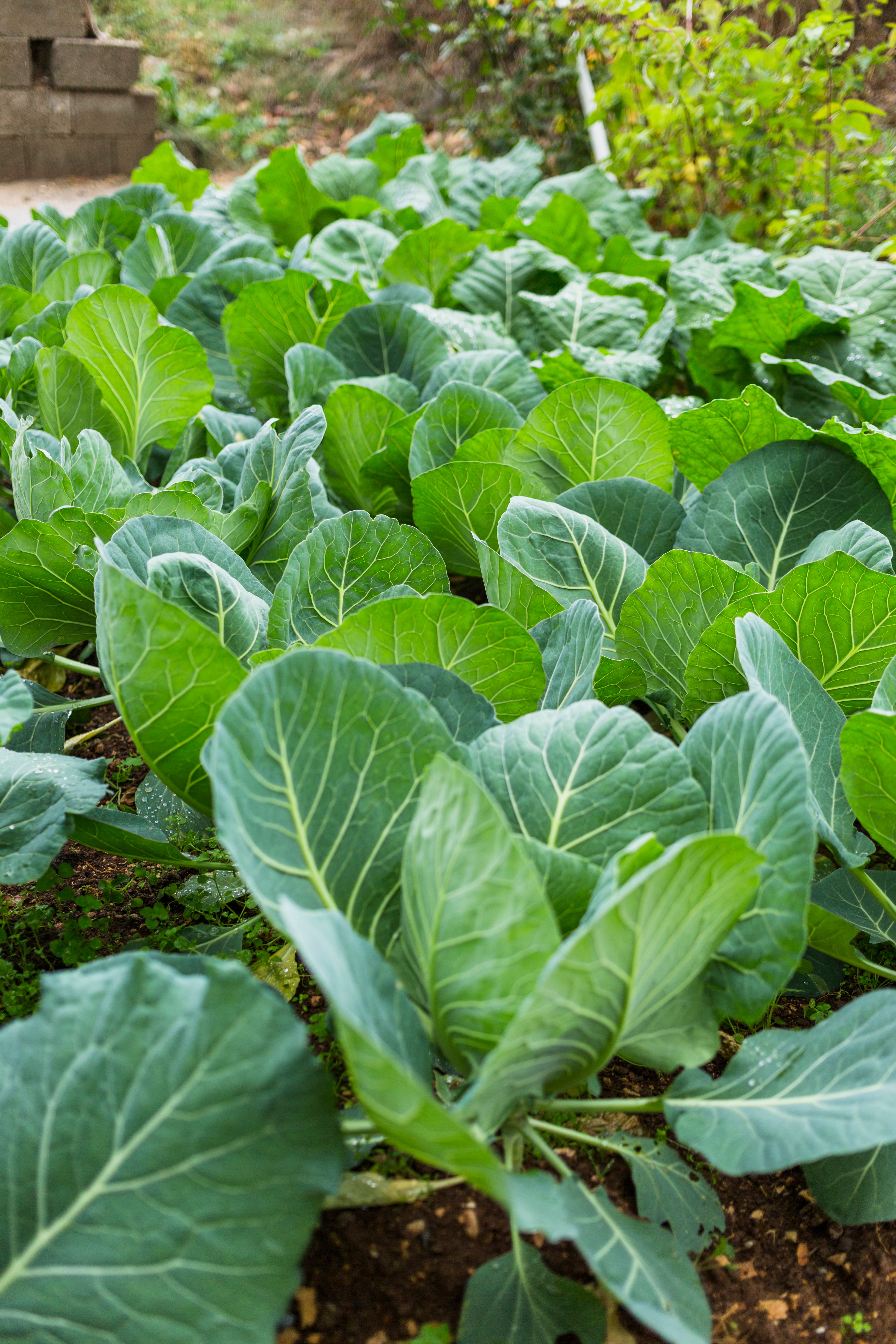
This organic foliar fertilizer is especially useful for crops with high nutrient demand, including tomatoes, kale, cabbage, spinach, maize, capsicum, and traditional vegetables. It can also be used in fruit trees and kitchen gardens.
Benefits to Farmers
This fertilizer helps farmers reduce farm input costs because it is made from materials that are often discarded as waste, reducing the need for expensive commercial fertilizers. It also improves plant growth by supporting healthy leaves, stronger stems, better flowering, and improved fruit formation. Since it is applied directly to the leaves, plants absorb nutrients more quickly than with some soil-applied fertilizers.
The calcium from eggshells strengthens plant tissues, helping crops resist diseases and physical damage. In addition, this innovation promotes environmental conservation by recycling organic waste into useful farm inputs and supports sustainable organic farming practices.
Important tips for Farmers
Farmers should always use clean containers to avoid contamination and should not seal the container completely during fermentation. It is also wise to test the spray on a few plants before large-scale application, avoid over-spraying young seedlings, and store the fertilizer in a cool, shaded place.
Conclusion
Simple innovations like recycling eggshells and comfrey leaves show that farmers do not always need expensive inputs to improve production. With locally available materials and basic knowledge, small-scale farmers can produce affordable organic fertilizers that improve crop health and increase yields, while protecting the environment.
Article Written By: Prof. Geoffrey Gathungu and Ms Felister Mbaka
Total comments (--)
Let others know what you think

Lorem ipsum dolor sit amet, consectetur adipiscing elit. Suspendisse varius enim in eros elementum tristique. Duis cursus, mi quis viverra ornare, eros dolor interdum nulla, ut commodo diam libero vitae erat. Aenean faucibus nibh et justo cursus id rutrum lorem imperdiet. Nunc ut sem vitae risus tristique posuere.



Lorem ipsum dolor sit amet, consectetur adipiscing elit. Suspendisse varius enim in eros elementum tristique. Duis cursus, mi quis viverra ornare, eros dolor interdum nulla, ut commodo diam libero vitae erat. Aenean faucibus nibh et justo cursus id rutrum lorem imperdiet. Nunc ut sem vitae risus tristique posuere.