

Solving the Imbalance Between Glut and Lack in Tomato Markets
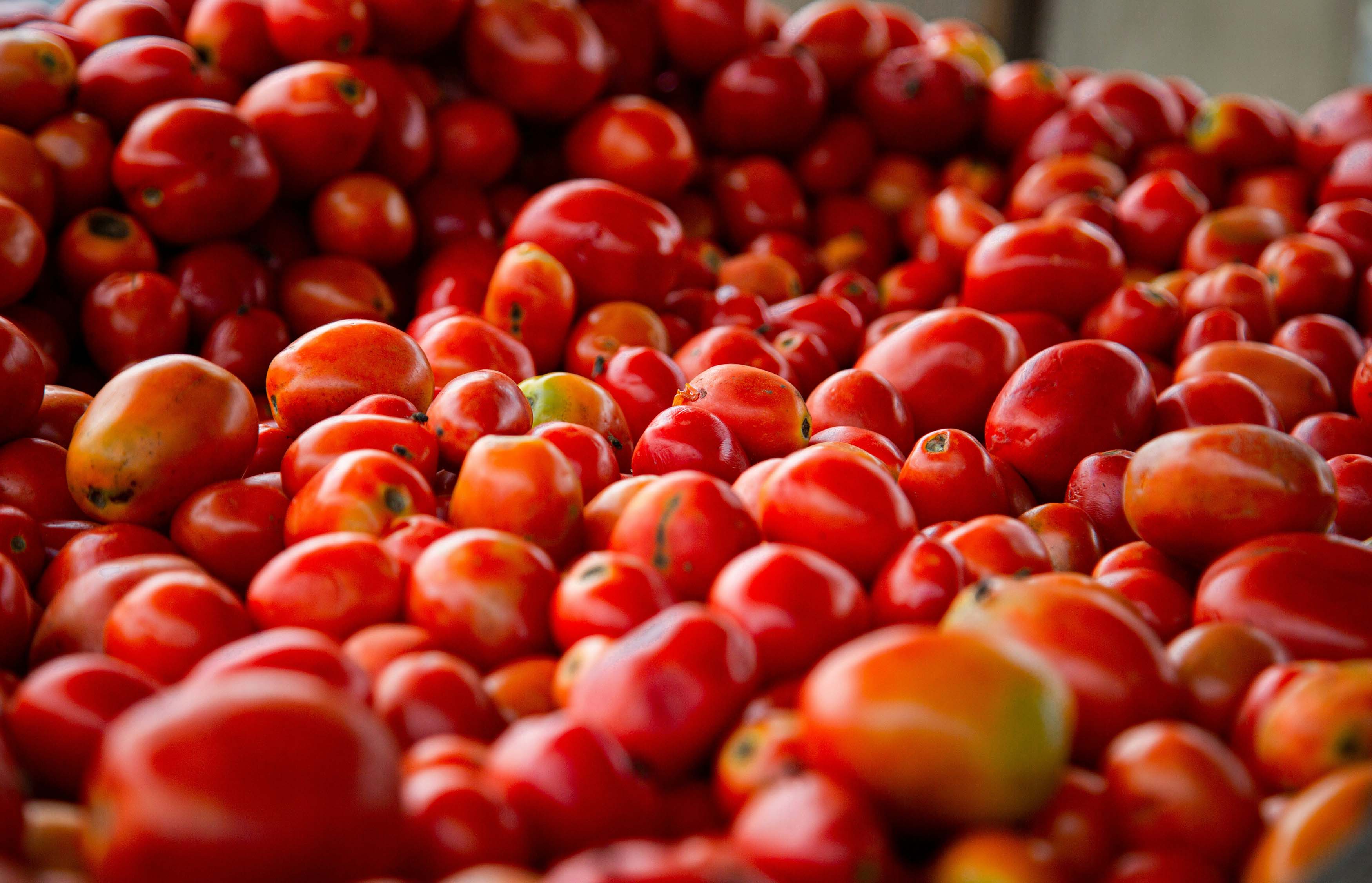
Tomatoes are a staple in almost every household meal, cutting across both rural and urban diets, which makes them an attractive investment for farmers. However, beyond challenges such as pests and unpredictable weather, the sector faces a persistent problem of seasonal imbalance. During peak production periods, markets are flooded with supply, often prices can drop so low that farmers are forced to sell at a loss or worse, watch their produce rot due to lack of buyers and storage. In contrast, during low seasons, supply drops significantly, leading to high prices for consumers and limited market access for produce.
Tomatoes are highly perishable, with a short shelf life of just a few days under normal conditions. Without proper storage, transport, or processing infrastructure, post-harvest losses can reach up to 40%. This not only affects farmers’ incomes but also contributes to national food waste.
Agroprocessing Offers a Solution
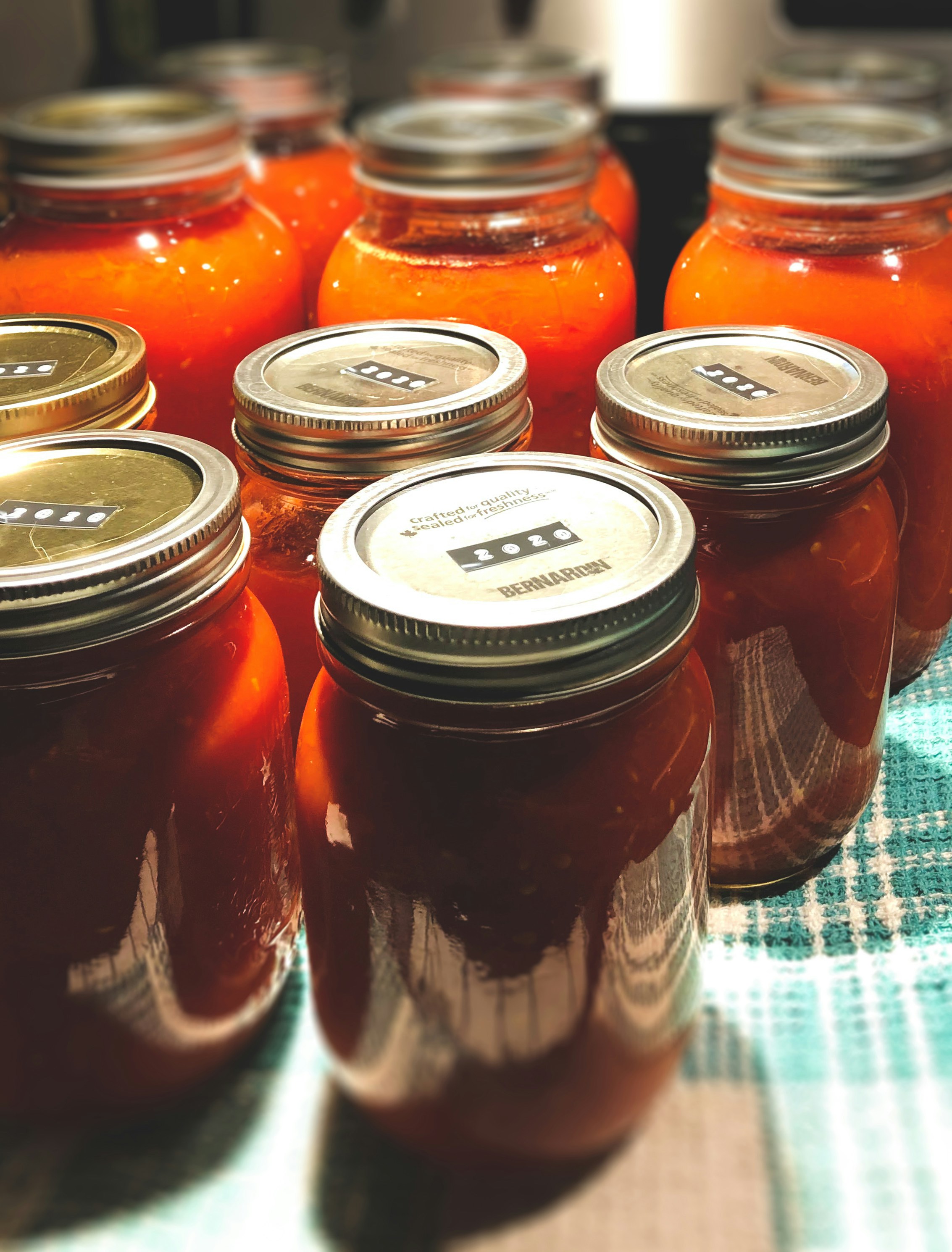
Agroprocessing presents a viable pathway to stabilize incomes and reduce waste. For tomatoes, this includes processing into:
- Tomato paste
- Sauces and ketchups
- Dried tomatoes
- Tomato juice
These products have longer shelf lives, can be stored and transported more easily, and often fetch higher market prices. For example, a crate of fresh tomatoes sold during a glut may earn a farmer very little. However,
when processed into paste or sauce, the same tomatoes can generate significantly higher returns across the value chain, from farmers to processors and retailers.
There is a growing market for processed foods
Urbanization and changing lifestyles are driving demand for convenient, ready-to-use food products. Tomato pastes and sauces are increasingly popular in households, restaurants, and the hospitality industry. Despite this growing demand, a significant portion of processed tomato products in most developing countries is still imported. This presents a clear gap and opportunity for local agroprocessors to step in and supply the domestic market while also exploring regional exports.
Benefits of Tomato Agroprocessing
- Reduced post-harvest losses - Processing extends the shelf life of tomatoes from days to months, significantly reducing waste.
- Stable farmer incomes - By creating demand beyond the fresh market, processing helps cushion farmers against price fluctuations.
- Job creation - Agroprocessing creates employment opportunities in manufacturing, packaging, transport, and marketing.
- Industrial Growth - It supports the development of small and medium enterprises (SMEs) and contributes to national broader industrialization goals.
Challenges in Tomato Agroprocessing
While the potential is clear, several barriers hinder the growth of tomato processing in Kenya:
- Limited processing facilities, especially in rural areas
- High initial investment costs for equipment and infrastructure
- Inconsistent supply of quality tomatoes due to seasonal production
- Weak linkages between farmers and processors
- Energy and logistics constraints, which increase production costs
Addressing these challenges requires coordinated efforts, including public-private partnerships, access to finance, and farmer training.
Emerging Opportunities
There is growing momentum around agroprocessing, supported by government initiatives and development partners. Key opportunities include:
A strong and sustainable agricultural value chain begins with bringing services closer to where production happens. Establishing county-level processing hubs near key production zones can significantly reduce post-harvest losses and transport costs, while also creating local employment opportunities. These hubs allow farmers to move beyond selling raw produce and instead participate in value addition through drying, grading, packaging, or basic processing. By
shortening the distance between farm and processing point, farmers are better able to preserve quality, respond to market demands, and earn higher returns.
Equally important is the promotion of farmer cooperatives to strengthen collective power. Individual smallholder farmers often struggle with inconsistent volumes and limited bargaining capacity, but when organized into cooperatives, they can aggregate their produce, access better markets, and negotiate more favorable prices. Cooperatives also make it easier to access inputs, credit, training, and certification, all of which are critical for scaling production and meeting market standards.
Investment in cold storage and efficient transport systems is another key pillar. Perishable goods such as fruits, vegetables, and dairy products are highly vulnerable to spoilage, especially in areas with limited infrastructure. Expanding cold chain systems from on-farm storage to refrigerated transport helps maintain product quality and extend shelf life. This not only reduces losses but also allows farmers to time the market better, avoiding distress sales during peak harvest periods.
At the same time, there is a growing need to deliberately support youth-led agribusiness ventures, particularly in processing and distribution. Young people bring innovation, energy, and a willingness to adopt new technologies, making them well-positioned to drive transformation in the sector. By providing access to financing, mentorship, and technical training, these enterprises can thrive while addressing gaps in logistics, value addition, and market access.
Finally, expanding into regional markets within East Africa presents a major opportunity for growth. With increasing demand for agricultural products across neighboring countries, farmers and agribusinesses can benefit from cross-border trade if they are supported to meet quality standards and navigate trade requirements. Strengthening regional linkages not only diversifies market options but also enhances resilience against local market fluctuations, ensuring more stable and predictable incomes for producers.
Digital tools are also helping connect farmers to markets and processors, improving efficiency across the value chain.
Total comments (--)
Let others know what you think

The Same Author
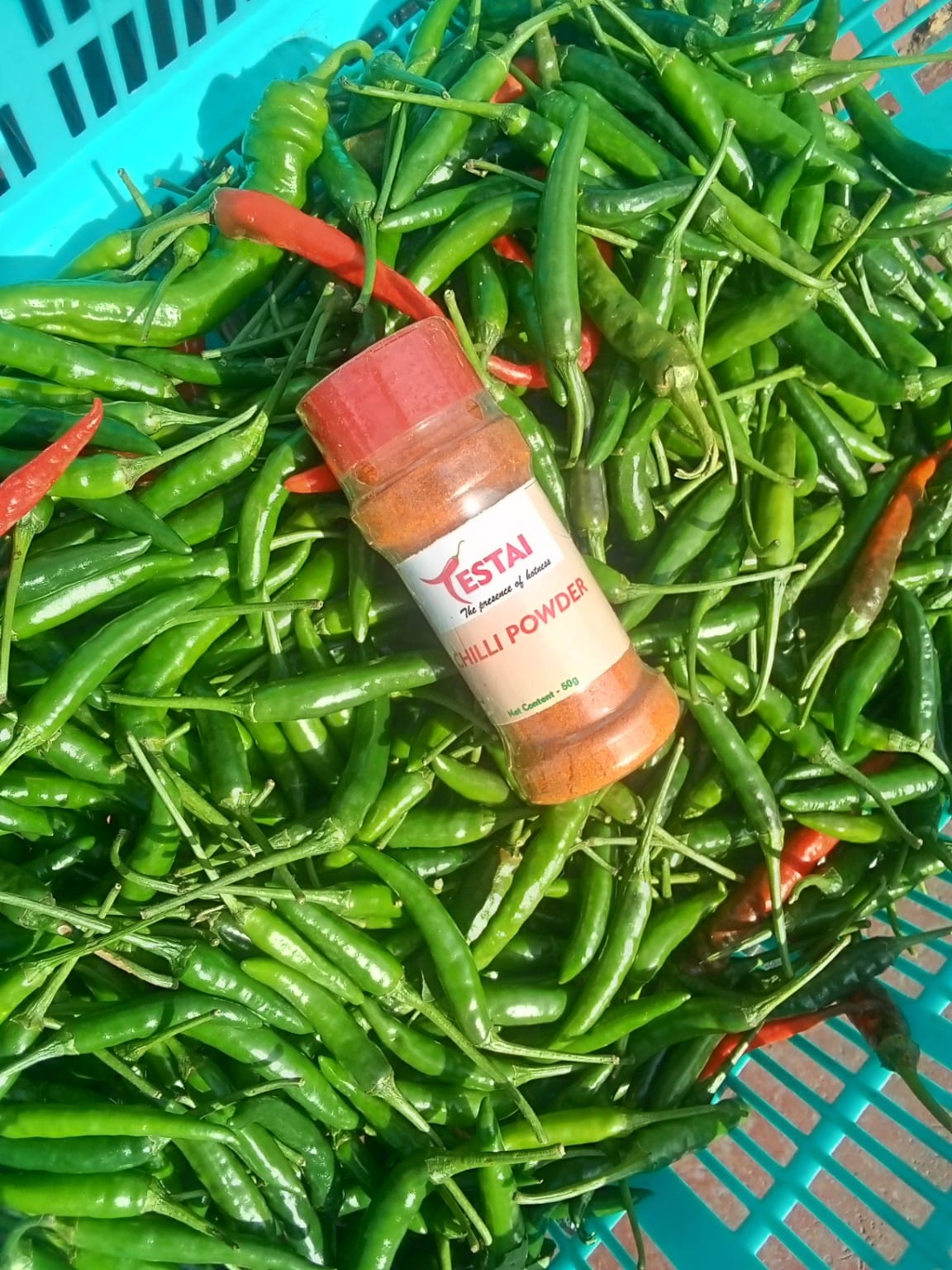
Chilli Farmers in Bomet County of Kenya Turn a Challenge into a Lucrative Opportunity


3KM Members Demonstrate Strength in Numbers Through Aggregation and Value Addition






Lorem ipsum dolor sit amet, consectetur adipiscing elit. Suspendisse varius enim in eros elementum tristique. Duis cursus, mi quis viverra ornare, eros dolor interdum nulla, ut commodo diam libero vitae erat. Aenean faucibus nibh et justo cursus id rutrum lorem imperdiet. Nunc ut sem vitae risus tristique posuere.