

Rising Misuse of Antibiotics in Poultry Farming Raises Alarm Among Experts
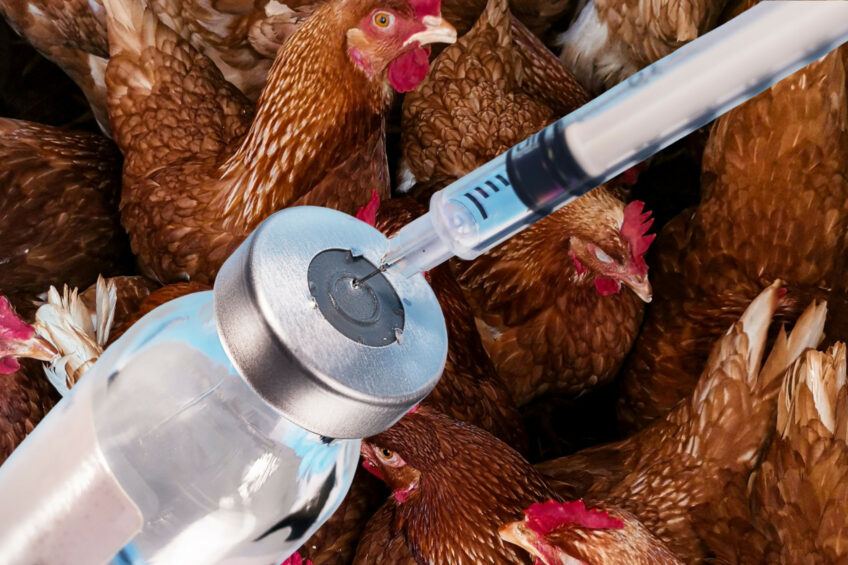
A growing trend among poultry farmers to rely on antibiotics instead of vaccines is raising concern among animal health experts, who warn that the practice could have serious consequences for both farm productivity and public health.
Across many small- and medium-scale poultry operations, antibiotics are increasingly being administered not only to sick birds but also to healthy flocks as a preventive measure. While this approach may appear to reduce disease risk in the short term, experts caution that it is both ineffective and potentially dangerous.
“Medications cannot replace vaccines,” says Dr Anne Wachira, a scientist in animal health at KALRO center Kakamega. “Vaccines are designed to prevent disease before it occurs, while antibiotics are meant to treat infections after they have been diagnosed. Confusing the two puts entire flocks at risk.”
The misuse of antibiotics in poultry farming can lead to a range of problems. These include poor disease control, repeated outbreaks, and the development of antibiotic-resistant bacteria making future infections harder and more expensive to treat. In addition, drug residues in meat and eggs may render these products unsafe for human consumption, posing a broader public health threat.
Health authorities have repeatedly emphasized that antibiotic resistance is a growing global concern, and misuse at the farm level contributes significantly to this challenge. When bacteria become resistant, common treatments lose effectiveness, potentially affecting both animal and human health.
Experts stress that prevention remains the most effective strategy in poultry disease management. This includes adhering to recommended vaccination schedules, maintaining strict hygiene standards, and implementing strong biosecurity measures to limit exposure to disease-causing agents.
Farmers are also urged to seek guidance from qualified veterinary professionals before administering any medication. Indiscriminate drug use not only increases costs over time but may also compromise the long-term sustainability of poultry enterprises.
"The message to farmers is clear,” Dr Wachira adds. “Good poultry health depends on knowledge, discipline, and adherence to best practices not shortcuts.”
As the poultry sector continues to grow, stakeholders are calling for increased awareness
Total comments (--)
Let others know what you think

Lorem ipsum dolor sit amet, consectetur adipiscing elit. Suspendisse varius enim in eros elementum tristique. Duis cursus, mi quis viverra ornare, eros dolor interdum nulla, ut commodo diam libero vitae erat. Aenean faucibus nibh et justo cursus id rutrum lorem imperdiet. Nunc ut sem vitae risus tristique posuere.





Lorem ipsum dolor sit amet, consectetur adipiscing elit. Suspendisse varius enim in eros elementum tristique. Duis cursus, mi quis viverra ornare, eros dolor interdum nulla, ut commodo diam libero vitae erat. Aenean faucibus nibh et justo cursus id rutrum lorem imperdiet. Nunc ut sem vitae risus tristique posuere.