

Hybrid Solar Driers: An Affordable and Effective Way to Preserve Farm Produce
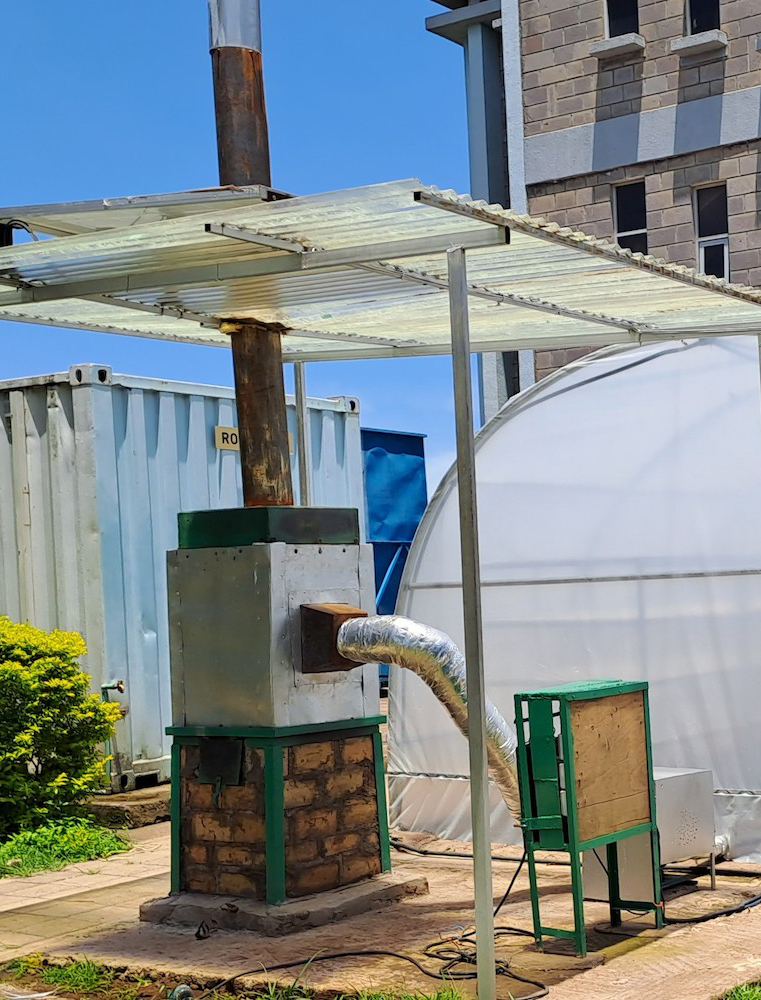
For small-scale farmers, one of the biggest challenges after harvest is keeping produce safe and in good condition. Rain,humidity, pests, and dust can quickly spoil maize, fruits, vegetables, fish and other crops. Traditionally, farmers have dried harvested produce in the sun onthe ground, on tarpaulins, or on rooftops but this method exposes food to dust, insects, animals, birds, and unexpected rains. It also takes many days to dry, and often the quality is poor.
Hybrid solar driers offer a better solution. They use clean energy from the sun and a backup source such as electricity or biomass to dry produce faster, more safely, and with higher quality. Because they protect food from contamination and reduce post-harvest losses, hybrid solar driers are becoming more accessible and useful to smallholder farmers across Kenya and other parts of Africa.
What Is a Hybrid Solar Drier?
A hybrid solar drier is a drying system that combines solar energy with an auxiliary heat source (like electricity or biomass) to dry crops. When the sun is strong, the drier uses sunlight to heat the air inside a drying chamber. If the sun goes behind clouds, or when faster drying is needed, the backup heat source kicks in. This combination ensures that drying continues efficiently even when weather conditions change.
The structure typically includes:
- A solar collector where sunlight is absorbed and converted into heat,
- A drying chamber with racks or trays,
- Ventilation to allow moist air to escape,
- And a backup heater for cloudy days or faster drying.
This design speeds up drying, reduces dependence on weather, and improves food quality.
Why Hybrid Solar Driers Matter to Smallholder Farmers
Better Quality and Hygiene: Hybrid solar driers protect produce from dust, insects, birds, rodents, and unexpected rain. Drying in the open exposes food to contamination and loss, but a solar drier ensures safer drying.
Faster and More Reliable: Traditional sun drying can take many days and may be interrupted changes. Hybrid solar dryers dry produce faster and more consistently, making it easier to prepare food for storage or sale.
Reduced Post-Harvest Losses: Many farmers lose a significant portion of harvests because drying takes too long or is poorly done. Solar driers reduce losses by providing a controlled drying environment.
Saves Money and Energy: Once installed, solar driers mainly use free solar energy. The backup source is only used when needed, reducing fuel or electricity costs compared to conventional dryers.
Enables Year-Round Drying: With the hybrid feature, drying can continue even on cloudy or rainy days, making it practical all year, not just during dry seasons.
Common Uses for Hybrid Solar Driers
Hybrid solar driers are versatile and can be used to dry:
- Maize and grains to safe moisture levels for storage,
- Fruits like mangoes, bananas, pineapples and apples,
- Vegetables such as spinach, kale, tomatoes and onions,
- Herbs and spices,
- Fish and meat for longer shelf life.
Dried products can be stored longer or processed into higher-value items such as dried fruit snacks, powdered vegetables, or value-added products for the market.
Accessibility for Smallholder Farmers
Hybrid solar driers are increasingly available through local manufacturers and artisans who build simple units using affordable materials; agricultural cooperatives and youth groups investing in shared dryers; NGOs and development programs supporting farmers with equipment and training, and county government agricultural offices that sometimes subsidize or facilitate access.
Prices can vary widely depending on size, materials, and features. Small household-level solar driers made with simple materials can cost a few tens of thousands of shillings, while larger community units cost more. Many farmers choose to start with a smaller unit and upgrade later as production grows.
Some programs and suppliers offer training on construction, use and maintenance, enabling farmers or local technicians to build and repair driers at low cost.
Simple Tips for Using a Hybrid Solar Drier
- Clean produce well before drying to remove dirt and insects.
- Slice larger foods (like mango, banana or tomato) into thin pieces to dry faster and evenly.
- Rotate trays during drying to ensure even airflow.
- Monitor moisture produce should be dry but not burned or over-dried.
- Store dried products in clean, airtight containers to keep them safe from moisture and pests.
For consultations on hybrid solar driers contact BioAfriq Energy: 0737673373
Total comments (--)
Let others know what you think

Lorem ipsum dolor sit amet, consectetur adipiscing elit. Suspendisse varius enim in eros elementum tristique. Duis cursus, mi quis viverra ornare, eros dolor interdum nulla, ut commodo diam libero vitae erat. Aenean faucibus nibh et justo cursus id rutrum lorem imperdiet. Nunc ut sem vitae risus tristique posuere.
The Same Author
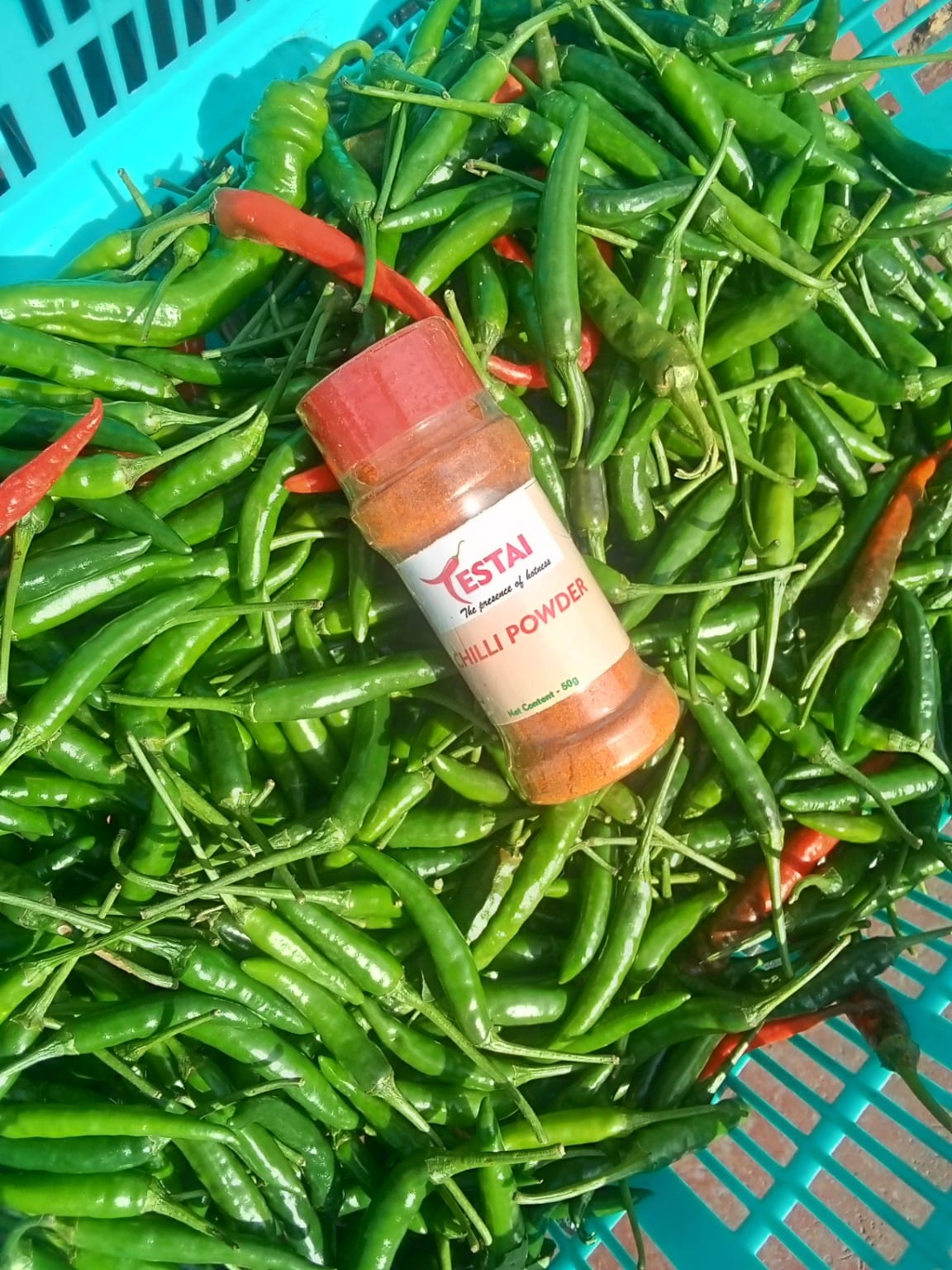
Chilli Farmers in Bomet County of Kenya Turn a Challenge into a Lucrative Opportunity

Busia Couple Taps into the growing market for Bokashi Fertilizer

3KM Members Demonstrate Strength in Numbers Through Aggregation and Value Addition

How to Make Bokashi Manure - A Simple Guide to Fermented Organic Fertilizer
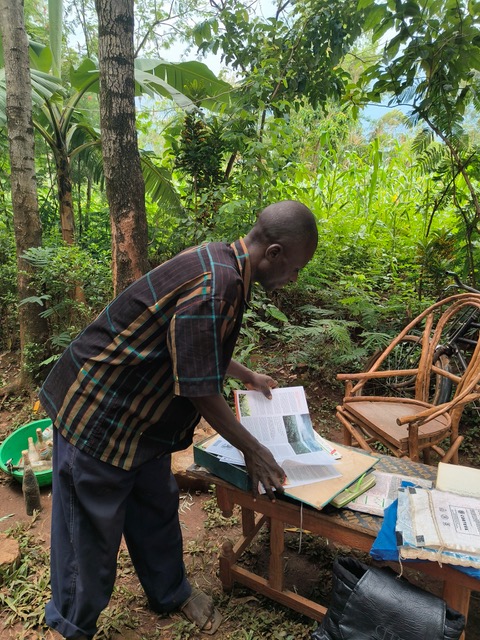
TOF Magazine Reader Unlocks a World of Abundance Through Innovative Farming


Lorem ipsum dolor sit amet, consectetur adipiscing elit. Suspendisse varius enim in eros elementum tristique. Duis cursus, mi quis viverra ornare, eros dolor interdum nulla, ut commodo diam libero vitae erat. Aenean faucibus nibh et justo cursus id rutrum lorem imperdiet. Nunc ut sem vitae risus tristique posuere.