

Azolla Farming: A Simple, Low-Cost Feed and Fertilizer for Small-Scale Farmers
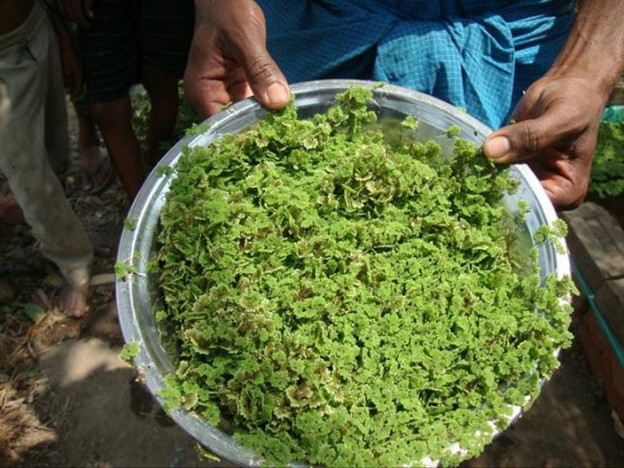
For many small-scale farmers, the cost of animal feed and fertilizer continues to rise, eating into already limited profits. Azolla farming offers a simple and affordable solution. Azolla is as mall, fast-growing water plant that floats on the surface of water. Though tiny in size, it is rich in nutrients and can make a big difference on the farm.
Azolla has been used for many years indifferent parts of the world, especially in rice farming. Today, more farmers are discovering its value as livestock feed and as a natural fertilizer.
Why Azolla Is Useful to Small-Scale Farmers
Azolla grows quickly and requires very little space. A small pond, plastic-lined pit, old basin, or shallow tank is enough to start. Under good conditions, azolla can double in size within a week, providing a steady supply of fresh feed.
One of its biggest advantages is its high protein content. Azolla is rich in protein, vitamins, and minerals, making it an excellent supplement for chickens, dairy cows, goats, sheep, pigs, and fish. Farmers who feed azolla often notice improved milk production, faster growth in animals, and better egg laying in poultry.
Azolla also reduces feed costs. Instead of relying fully on expensive commercial feeds, farmers can grow azolla at homeusing water, cow dung, and small amounts of mineral supplements. This helps stretch the available feed and improves farm profitability.
In addition to feeding animals, azolla improves soil fertility. It contains nitrogen and other nutrients that support plant growth. When added to the soil or compost, it acts as a natural fertilizer, improving soil structure and moisture retention.
Understanding How Azolla Grows
Azolla grows on water and needs sunlight, nutrients, and moderate temperatures. It does best in shallow water, about 10to 15 centimetres deep. Too much heat, direct harsh sunlight, or dirty water can slow its growth.
Azolla lives in partnership with a natural microorganism that fixes nitrogen from the air. This is why it is rich in protein and why it improves soil fertility when used in farming.
How to Start Azolla Farming
Starting azolla farming is simple and does not require special skills. Farmers can begin with locally available materials.
First, choose a suitable container. This could be a shallow pit lined with polythene, a wooden frame lined with plastic,or a plastic tank or basin. The container should be placed in a partially shaded area to protect the azolla from direct sunlight and heavy rain.
Next, add clean water to the container, filling it to a shallow level. Mix cow dung with water and pour it into the container to provide nutrients. Some farmers also add a small amount of soil to introduce helpful microorganisms. Once the water is ready, azolla culture is gently spread on the surface.
Within a few days, the azolla begins to spread and cover the water surface. To keep it healthy, farmers should stir the water lightly every few days and remove excess azolla regularly to prevent overcrowding.
Harvesting and Feeding Azolla
Azolla can be harvested within 7 to 10 days after introduction. Harvesting should be done regularly, leaving enough azolla behind to continue growing. Fresh azolla can be fed directly to animals or mixed with other feeds.
For poultry, azolla can be chopped and mixed with grains or mash. For cows and goats, it is best given as a supplement rather than the main feed. Fish farmers can add azolla directly to ponds or feed it after drying.
Excess azolla can be sun-dried and stored for later use, especially during dry seasons when green feed is scarce.
Using Azolla as Fertilizer
Apart from feeding animals, azolla can be used as green manure. It can be applied directly to vegetable gardens, maizefields, or fodder plots. When incorporated into the soil, it decomposes quickly and releases nutrients that support crop growth.
Azolla can also be added to compost pits to enrich compost and speed up decomposition.
Simple Management Tips
To keep azolla productive, farmers should replace part of the water every few weeks and add fresh cow dung to maintain nutrients. Containers should be kept clean, and pests such as ants and birds should be controlled. If the azolla turns yellow or brown, it may be a sign of nutrient deficiency or too much heat.
With regular care and simple management, azolla can become a reliable part of everyday farming, helping farmers produce more while spending less.
Total comments (--)
Let others know what you think

Lorem ipsum dolor sit amet, consectetur adipiscing elit. Suspendisse varius enim in eros elementum tristique. Duis cursus, mi quis viverra ornare, eros dolor interdum nulla, ut commodo diam libero vitae erat. Aenean faucibus nibh et justo cursus id rutrum lorem imperdiet. Nunc ut sem vitae risus tristique posuere.
The Same Author
Chilli Farmers in Bomet County of Kenya Turn a Challenge into a Lucrative Opportunity

Busia Couple Taps into the growing market for Bokashi Fertilizer

3KM Members Demonstrate Strength in Numbers Through Aggregation and Value Addition

How to Make Bokashi Manure - A Simple Guide to Fermented Organic Fertilizer
TOF Magazine Reader Unlocks a World of Abundance Through Innovative Farming


Lorem ipsum dolor sit amet, consectetur adipiscing elit. Suspendisse varius enim in eros elementum tristique. Duis cursus, mi quis viverra ornare, eros dolor interdum nulla, ut commodo diam libero vitae erat. Aenean faucibus nibh et justo cursus id rutrum lorem imperdiet. Nunc ut sem vitae risus tristique posuere.